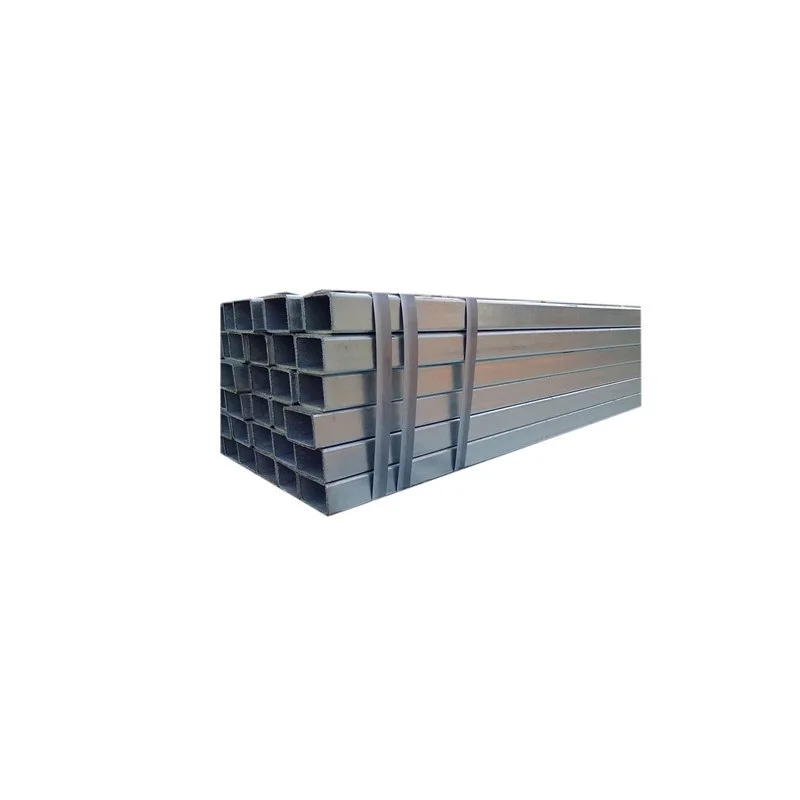
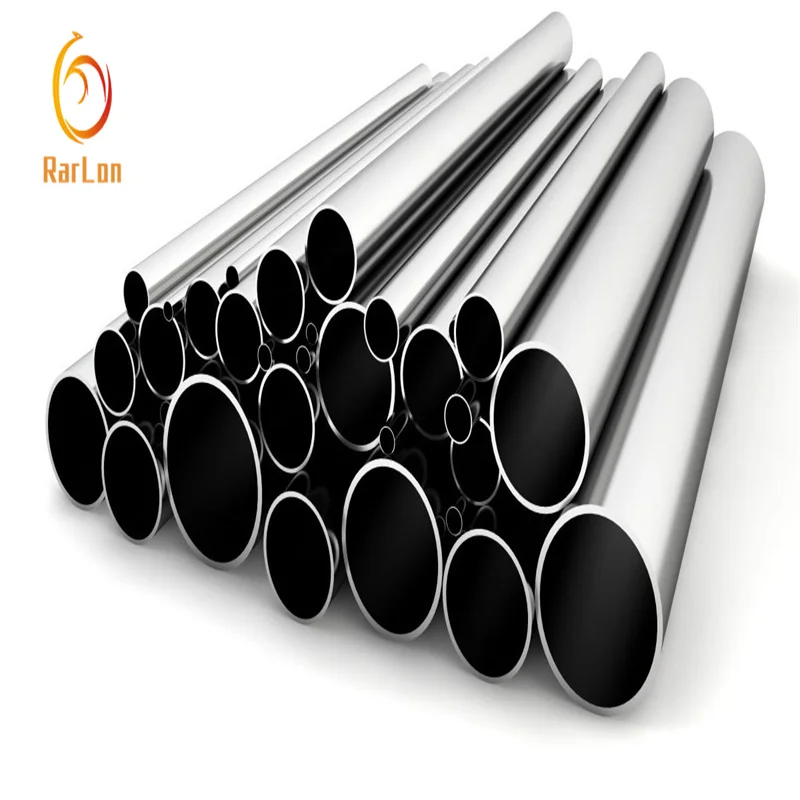
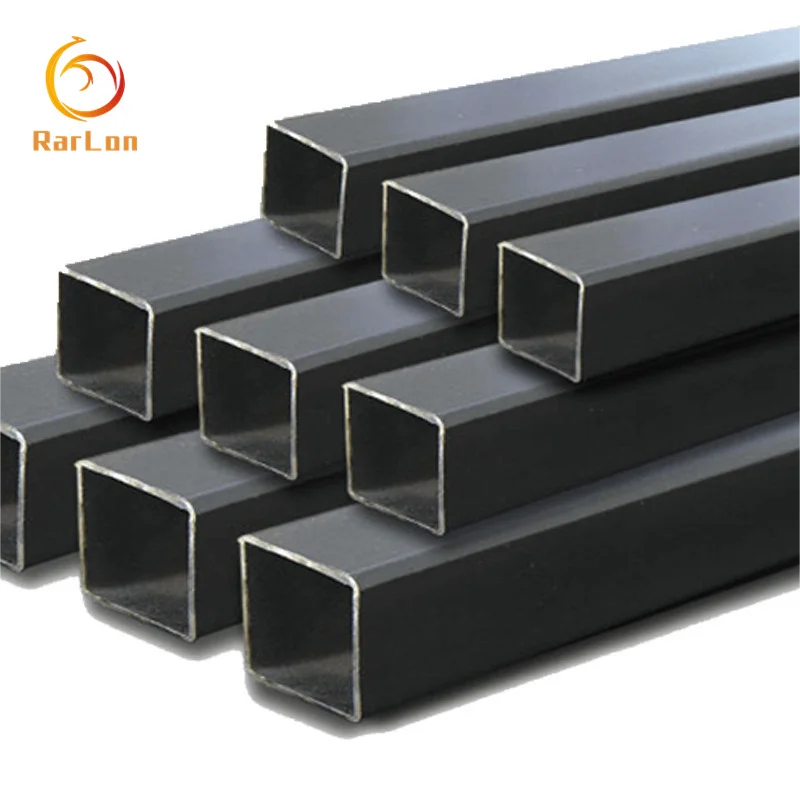
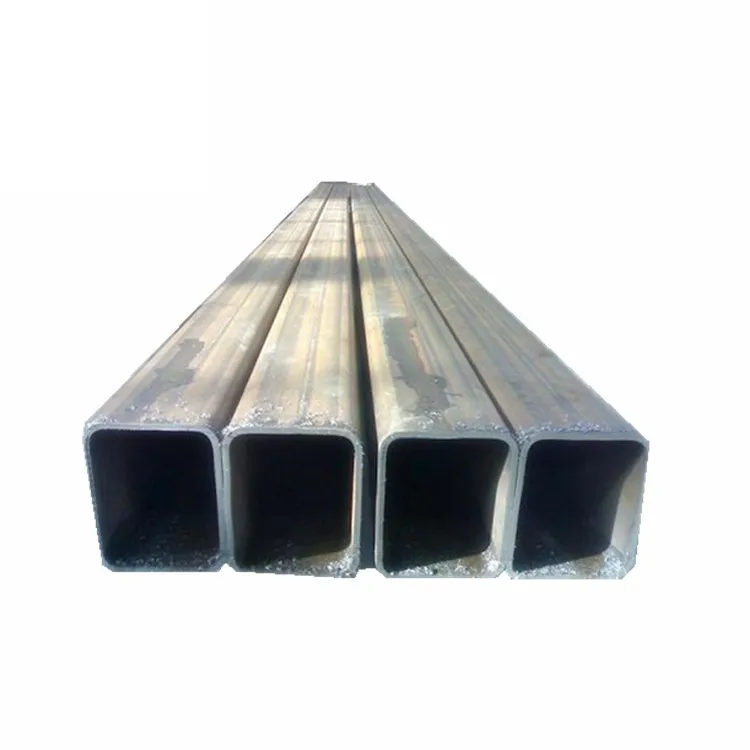
ASTM A106: A special type of steel pipe Why is it important? Because it can be used in very high-temperature environments. This pipe is made of carbon steel which is strong and durable. ASTM A106 pipes are used by many different industries. For instance, they are utilized by oil and gas firms, factories, and power plants, where heat is frequently generated.
For one of the coolest things about ASTM A106 is that it can withstand high temperatures. It makes it an excellent choice for transporting hot liquids, such as oil or steam. These liquids are being moved and so the pipes must remain strong and not crack. ASTM A106 is also quite strong and has a unique ability to resist corrosion. Rust is not good for pipes, especially when you put them in harsh conditions, so rust prevention is a must.
So we should discuss what constitutes ASTM A106. This pipe is composed of three primary materials, carbon, manganese, and silicon. All of these materials serve important functions. The main ingredient is carbon, and it is there to give the pipe the strength required to withstand extremely changing temperatures. Another important material is manganese, which enhances the strength of the pipe and reduces the occurrence of rust. Finally, silicone is added to provide flexibility, allowing the pipe to bend and mold without breaking.
ASTM A106 pipes are categorized as Grade A, Grade B, and Grade C; Grade A is the weak type and so primarily used for low-pressure applications. However, it is not designed for extremely hot or high-pressure applications. Grade B is also the most common type and is ideal for high-temperature applications. Strong enough to bear the heat and the pressure. Last but not least, Grade C is for extremely high-temperature jobs.
Here they are: We all know how ASTM A106 pipes are made, but it's a complicated process, and its interesting! The steel melts down to a liquid first. Then, this molten steel is formed into a long piece known as a strand. Then the strand is cooled, before being sliced down into smaller pieces. The pieces are then reheated and rolled into the shape of pipes. Lastly, the pipes are customized to the required size and tested for quality and safety.
After production of ASTM A106 pipes is finished, they are delivered to site of its application. Different methods are used to connect the pipes together at the installation site. They may weld, thread or flange the pipes together securely. The vessels then are retested to ensure the pipes are safe and run in accordance with the right specifications.
Copyright © China Rarlon Group Limited All Rights Reserved - Privacy Policy
 EN
EN
 AR
AR
 HR
HR
 CS
CS
 DA
DA
 NL
NL
 FI
FI
 FR
FR
 DE
DE
 EL
EL
 IT
IT
 JA
JA
 KO
KO
 NO
NO
 PL
PL
 PT
PT
 RU
RU
 ES
ES
 TL
TL
 ID
ID
 SR
SR
 SK
SK
 UK
UK
 VI
VI
 SQ
SQ
 HU
HU
 MT
MT
 TH
TH
 TR
TR
 FA
FA
 MS
MS
 MK
MK
 HY
HY
 AZ
AZ
 KM
KM
 LA
LA
 MN
MN
 MY
MY
 KK
KK
 UZ
UZ