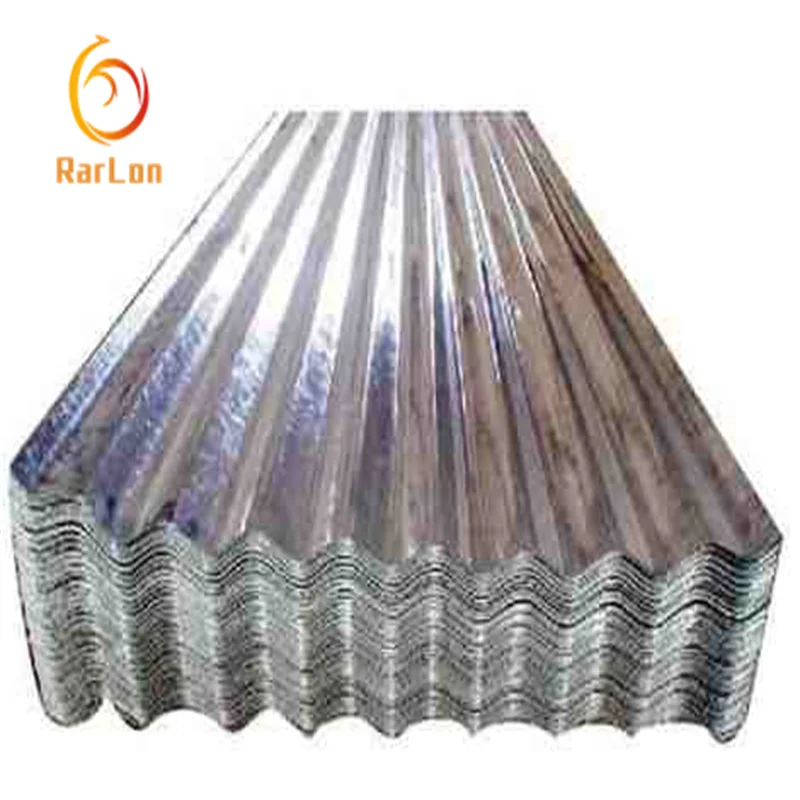
Steel is a very strong and widely used material in a variety of types of construction work. Profile steel is a particular sort of steel that individuals are using more frequently. This steel in coils is made by a company called RARLON and it has been an emerging reliable name in the construction industry. This article will explain profile steel, its advantages and disadvantages, considerations when selecting profile steel for a project, new creative applications in modern building, and how it can be environmentally friendly.
So we need to start off discussing the absolute best-as-possible material for constructing objects with which we can effectively deal with this situation. Steel has tremendous strength, so the folding ribs can support heavy components placed thereon without collapsing or bending. This is especially important in construction, as buildings must be both safe and sound. Flexibility — Steel can accommodate a variety of shapes to suit the requirements of several projects. It can be bent or shaped in order to suit various forms, which makes it ideal for all kinds of structures design.
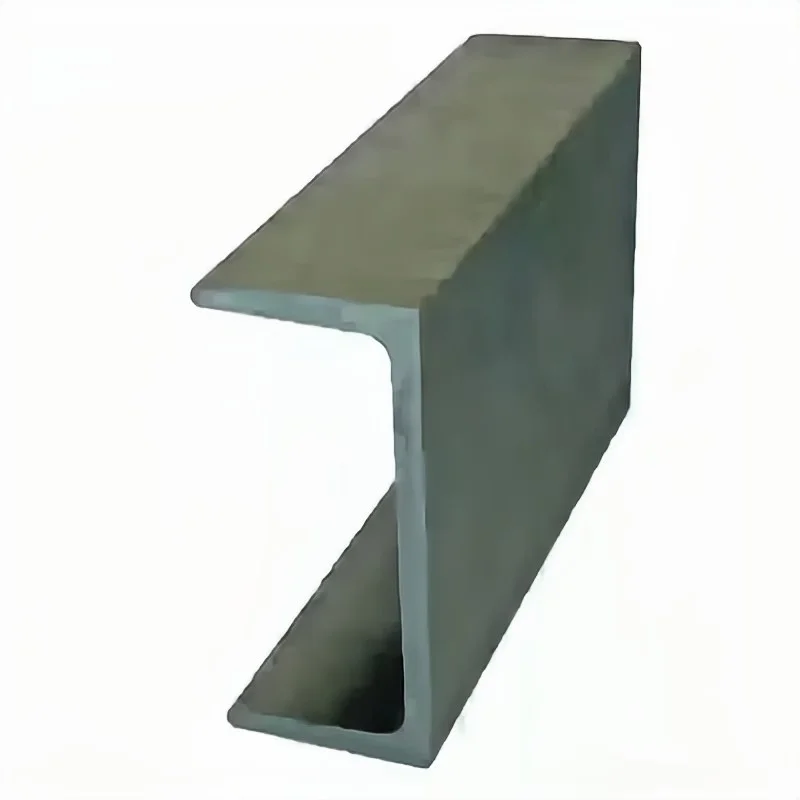
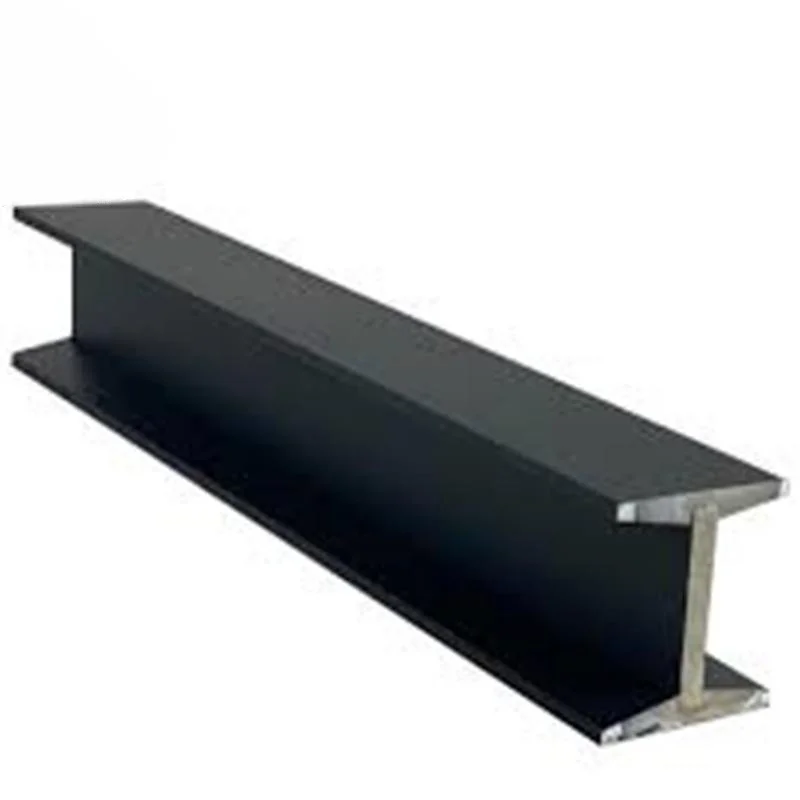
Now let us turn our attention to coil of steel. Profile steel is a kind of shaped steel that has been made into special shapes, such as channels, angles and flat bars (common), or T-bars. The way the steel is shaped into these profiles adds additional strength and rigidity. This allows profile steel to perform even better for applications in construction. Profile steel is utilized for key components of buildings, including the skeletal frame (beams and trusses), support beams, or joists. These elements are crucial to supporting the structure and making sure it is safe and secure.
As with all materials, profile steel has its strengths and weaknesses. You have the advantage of a versatile solution. Due to the extensive range of profiles available, builders are able to use profile steel in a variety of ways to achieve specific requirements needed for their project. Able to create structures which are functional as well as beautiful The other advantage of profile steel is that it is fully customisable. Steel can be cut, drilled, stamped & welded to fashion a plethora of shapes and sizes perfectly tailored to fit into any construction project.
Of course, this does not service special requirements. But if we think about the limitations of profile steel. One drawback is that it does not get recycled nearly as often as other materials such catering to aluminum or plastic. Steel can be melted down and recycled, but doing so requires more energy than recycling materials other than steel. This can be a drawback for builders looking to create eco-friendly projects. Also, profile steel is not a great insulator. That means it has a high capacity to transfer heat, which can spell trouble in certain circumstances, such as when you are trying to keep a building thermostat warm or cool.
Modern architecture profile steel is part of exciting new ways it used. Architects are utilising profile steel in more imaginative ways than before to construct visually engaging yet robust structures of high endurance. One such example is the use of profile steel, where you can have anything from steel bridges to high-rise buildings, or even entire buildings made predominantly out of steel.
Above all, it’s worth mentioning that profile steel can represent a highly sustainable choice for a given construction project. Steel is very efficient to be recycled and can replace virgin material in case of its recycling rather than taking shelter in a landfill site. It minimizes wastage and contributes to building more sustainably. And lastly, the high durability of steel will also give you a chance to reduce maintenance and replacement needs. This alternates to both saving dollars while minimizing construction projects ecological footprint.

Copyright © China Rarlon Group Limited All Rights Reserved - Privacy Policy
 EN
EN
 AR
AR
 HR
HR
 CS
CS
 DA
DA
 NL
NL
 FI
FI
 FR
FR
 DE
DE
 EL
EL
 IT
IT
 JA
JA
 KO
KO
 NO
NO
 PL
PL
 PT
PT
 RU
RU
 ES
ES
 TL
TL
 ID
ID
 SR
SR
 SK
SK
 UK
UK
 VI
VI
 SQ
SQ
 HU
HU
 MT
MT
 TH
TH
 TR
TR
 FA
FA
 MS
MS
 MK
MK
 HY
HY
 AZ
AZ
 KM
KM
 LA
LA
 MN
MN
 MY
MY
 KK
KK
 UZ
UZ