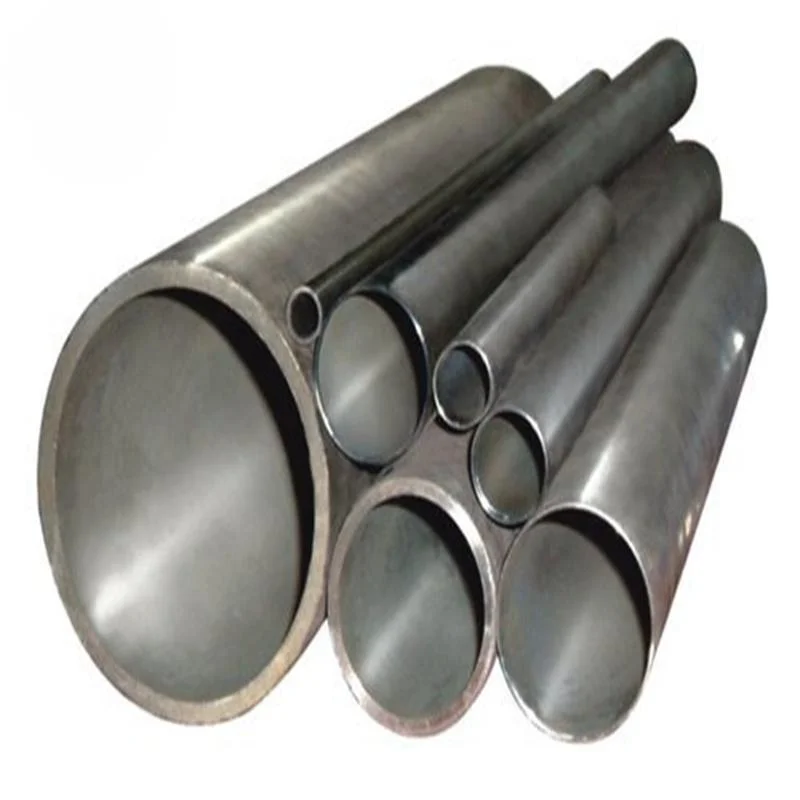
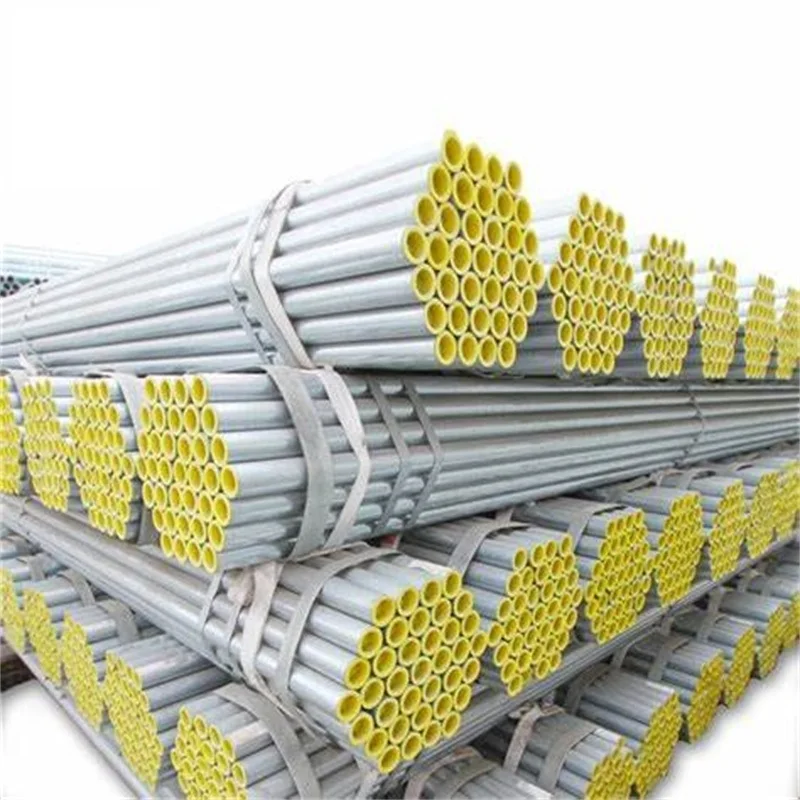
A stainless steel welded pipe is made by joining two pieces of a material with a welding procedure. This is made bring an capability the pipes when they are screen exhaust to units and industries so is widely used. We will study the manufacture of welded pipes, their advantages, applications, and some issues that can happen during manufacturing.
Welded pipe manufacturing begins with two pieces of metal to be cut to the correct size and shape. That’s super important because the pieces have to match up just right. The two pieces of steel are then placed next to each other and welded together after they've been cut. It is generally done by two main types of welding methods;
One of the primary benefits of steel welded pipe is its strength. This type of pipes are typically used in industry applications due to their ability to be used in high pressure and temperature conditions (418C). This strength is one of the reasons they are widely used in applications where safety and reliability are critical. In addition, welded pipes are commonly used and are less expensive compared to some other pipe types, such as seamless pipes, so they are a more economical choice for many companies.
Different industries use welded pipes. They are often utilized for fluid and gas transportation within the oil and gas industry. They are also widely used in chemical processing plant that move some chemicals. Welded pipes are used in power plants to transport steam and other important materials. In addition, building projects like bridges and tall skyscrapers require strong materials and high-quality with accurate specs, so welded pipes are used.
When you need to select welded pipe or another type, like seamless pipe, you need to consider what the job requires. For many businesses, this is a huge advantage as welded pipe is typically cheaper than seamless pipe. But if the job requires extremely precise work or very clean pipe, you’re probably better off with seamless pipe.
Pipe Size: Diameter Matters! Seamless pipes can be made cost- and time-effective, but welded pipes can be made in any size greater than the base pipe. However, keep in mind that there can be greater challenges concerning the quality of the welds on larger welded pipes. If the welding is not performed correctly, the resulting leaks can become very dangerous and expensive to fix.
There are certain common issues that arise while manufacturing welded pipes. One issue is referred to as porosity. This occurs when small holes, or voids, develop within the weld. These holes weaken the pipe and cause leaks that bring down the whole piping system. A different problem you might run into is cracks in the weld. Cracks can occur for a number of reasons, including improper welding techniques, or poor quality control during the manufacturing process.

Copyright © China Rarlon Group Limited All Rights Reserved - Privacy Policy
 EN
EN
 AR
AR
 HR
HR
 CS
CS
 DA
DA
 NL
NL
 FI
FI
 FR
FR
 DE
DE
 EL
EL
 IT
IT
 JA
JA
 KO
KO
 NO
NO
 PL
PL
 PT
PT
 RU
RU
 ES
ES
 TL
TL
 ID
ID
 SR
SR
 SK
SK
 UK
UK
 VI
VI
 SQ
SQ
 HU
HU
 MT
MT
 TH
TH
 TR
TR
 FA
FA
 MS
MS
 MK
MK
 HY
HY
 AZ
AZ
 KM
KM
 LA
LA
 MN
MN
 MY
MY
 KK
KK
 UZ
UZ