
 EN
EN
 AR
AR
 HR
HR
 CS
CS
 DA
DA
 NL
NL
 FI
FI
 FR
FR
 DE
DE
 EL
EL
 IT
IT
 JA
JA
 KO
KO
 NO
NO
 PL
PL
 PT
PT
 RU
RU
 ES
ES
 TL
TL
 ID
ID
 SR
SR
 SK
SK
 UK
UK
 VI
VI
 SQ
SQ
 HU
HU
 MT
MT
 TH
TH
 TR
TR
 FA
FA
 MS
MS
 MK
MK
 HY
HY
 AZ
AZ
 KM
KM
 LA
LA
 MN
MN
 MY
MY
 KK
KK
 UZ
UZ

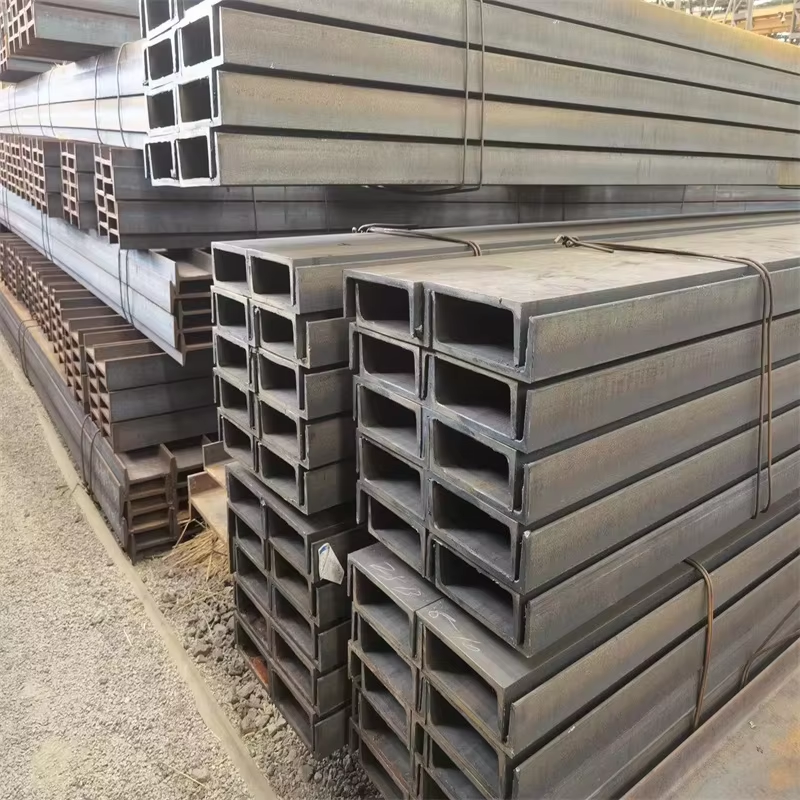
Introduction: Understanding HR and CR Steel
When it comes to manufacturing and construction, two types of steel commonly used are Hot Rolled (HR) and Cold Rolled (CR) steel. While both are made from similar raw materials, the processes used to make them differ significantly. This article will explore the differences between HR and CR steel, including their properties, uses, and key advantages. By the end of this guide, you will have a clear understanding of how HR and CR steel are suited for different applications.
What is Hot Rolled Steel?
Hot Rolled Steel (HR steel) is produced by rolling steel at a high temperature, typically above 1,700°F (926°C). This process allows the steel to be easily shaped and formed, which is ideal for large-scale industrial applications. The high temperature makes the steel easier to manipulate, reducing the need for additional processing.
Key Characteristics of Hot Rolled Steel:
-
Thickness: HR steel is typically thicker than CR steel. It is often used in the production of large metal structures and industrial machinery.
-
Surface Finish: Since HR steel is not cooled slowly, it often has a rough surface, which can sometimes appear scaled or oxidized.
-
Flexibility: The process of hot rolling allows the steel to be more ductile and flexible, making it ideal for applications where strength is less of a priority and flexibility is more important.
Applications of Hot Rolled Steel:
-
Structural components such as beams, channels, and rails.
-
Automotive parts that don’t require a smooth finish.
-
Large construction materials, including plates and steel sections.
What is Cold Rolled Steel?
Cold Rolled Steel (CR steel) is processed at a much lower temperature than HR steel, usually at room temperature. The steel is passed through rollers to achieve its desired thickness and smoothness, and it is then further treated with processes like annealing. The result is a much smoother, stronger, and more precise product.
Key Characteristics of Cold Rolled Steel:
-
Surface Finish: CR steel is smooth, clean, and often more aesthetically pleasing compared to HR steel. The cold rolling process allows for a more refined finish and better surface quality.
-
Strength: CR steel is stronger and harder than HR steel. The cold rolling process makes the steel more durable, making it ideal for applications that require high precision and strength.
-
Dimensional Accuracy: Cold-rolled steel is known for its superior dimensional accuracy, which makes it the preferred choice for applications requiring high tolerances.
Applications of Cold Rolled Steel:
-
Automotive body parts, including fenders and panels.
-
Appliances such as refrigerators and washing machines.
-
Home construction materials like steel studs and framing.
Key Differences Between HR and CR Steel
-
Manufacturing Process:
-
HR Steel: Produced by rolling steel at high temperatures, making it easier to shape but with a rougher surface finish.
-
CR Steel: Manufactured at room temperature, which results in a smoother surface and higher strength.
-
-
Strength and Durability:
-
HR Steel: Generally softer and more flexible, making it ideal for large, less-precise applications.
-
CR Steel: Stronger and more durable, ideal for precision applications that require a smooth surface and tighter tolerances.
-
-
Surface Quality:
-
HR Steel: The surface is rough and often needs additional processing, such as painting or coating, for aesthetic purposes.
-
CR Steel: Has a clean, smooth finish that can be used directly in consumer-facing applications.
-
-
Applications:
-
HR Steel: Used in large, heavy-duty industrial applications.
-
CR Steel: Used in products where surface quality, strength, and accuracy are critical, such as in automotive and appliance manufacturing.
-
Which One Should You Choose?
The choice between HR and CR steel depends on the specific requirements of your project. If you're working on large-scale industrial projects that require heavy-duty, flexible steel, HR steel might be the better option. However, if your project requires high precision, durability, and a clean surface finish, CR steel is likely the better choice.
At Rarlon Steel, we provide both HR and CR steel options, ensuring that our clients can select the right material for their needs. Our steel products are manufactured to the highest standards of quality and are suitable for a wide range of industrial applications.
Conclusion:
Both HR and CR steel have their unique properties and advantages. While HR steel is suitable for large, flexible, and cost-effective applications, CR steel offers superior strength, durability, and surface finish for precision manufacturing. Understanding the differences between these two types of steel will help you make an informed decision about which material is best for your project.