
 EN
EN
 AR
AR
 HR
HR
 CS
CS
 DA
DA
 NL
NL
 FI
FI
 FR
FR
 DE
DE
 EL
EL
 IT
IT
 JA
JA
 KO
KO
 NO
NO
 PL
PL
 PT
PT
 RU
RU
 ES
ES
 TL
TL
 ID
ID
 SR
SR
 SK
SK
 UK
UK
 VI
VI
 SQ
SQ
 HU
HU
 MT
MT
 TH
TH
 TR
TR
 FA
FA
 MS
MS
 MK
MK
 HY
HY
 AZ
AZ
 KM
KM
 LA
LA
 MN
MN
 MY
MY
 KK
KK
 UZ
UZ

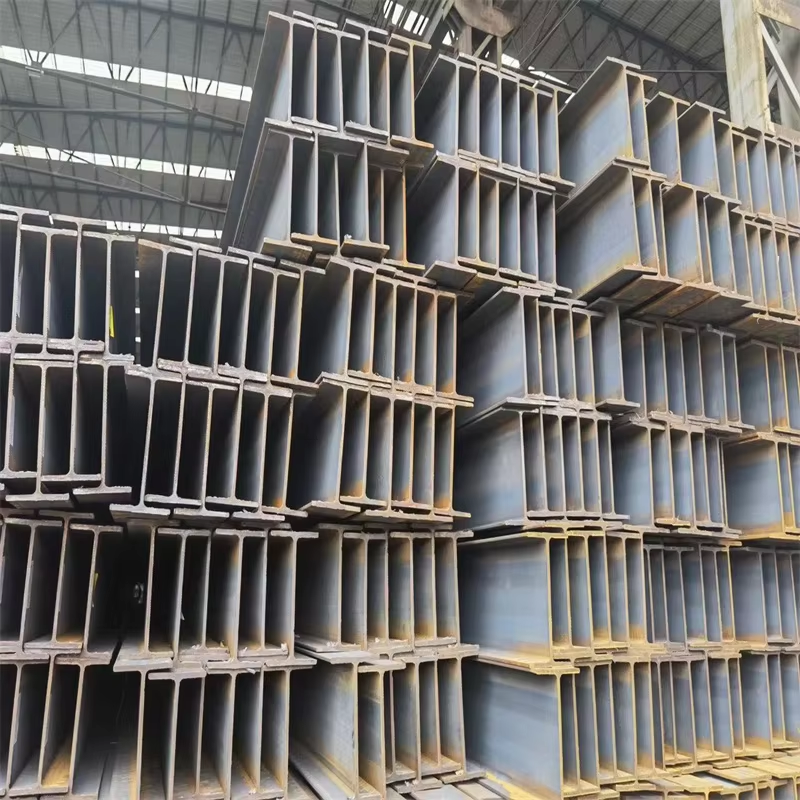
The Dual Protection Mechanism of Galvanized Steel H Beam
Zinc as a Physical Barrier Against Oxygen and Moisture
Galvanized steel H beams get their protection from a zinc coating that acts as a solid barrier against things like oxygen, water, and other stuff in the environment that causes corrosion. When zinc comes into contact with carbon dioxide and moisture, it creates something called zinc carbonate, which is basically a tough outer layer that fills in tiny gaps in the coating. This protective layer stops harmful substances from getting to the actual steel underneath, so rust doesn't have a chance to start. If applied properly, a zinc coating between 45 and 85 micrometers thick can stand up to industrial pollution for many years because it keeps covering the surface completely without breaking down easily.
Zinc’s Sacrificial (Cathodic) Protection of the Steel Substrate
Zinc offers what's called electrochemical or cathodic protection. If the coating gets scratched or damaged somehow, the zinc will start to corrode first instead of the steel underneath it acts kind of like a sacrificial shield really. When there's damage to the zinc coating, those zinc ions actually move around pretty well, traveling up to about 3 millimeters from where everything looks fine. They form these protective oxide layers that can fix small scratches on their own within roughly two days if it's damp enough outside. This whole process means rust happens only on the zinc part itself, not touching the actual steel structure even at tricky spots like edges or welds where problems usually happen. According to some real world testing published in last year's Marine Corrosion Report, galvanized H beams kept nearly all their original surface quality (around 98.5%) after sitting for five whole years right next to saltwater in places where corrosion typically runs rampant.
Hot-Dip Galvanizing Process: Metallurgical Bonding and Uniform Coverage
Step-by-Step Hot-Dip Galvanizing of H Beams
The galvanization process starts with thorough cleaning steps first. Workers need to get rid of all the oil residue using degreasing agents, then strip away mill scale with acid solutions, and finally apply flux treatment to stop oxidation during the next stage. Once these prep steps are done, H beams go into a bath of molten zinc heated around 450 degrees Celsius. At this temperature, the zinc actually bonds with iron atoms in the steel creating those protective alloy layers we see on finished products. When pulled out of the zinc bath, careful cooling turns this molten layer into a strong, even coating that sticks to every part of the metal surface. Hot dip galvanizing really stands apart from other methods like spraying or electroplating because it gets into all those tricky areas nobody else can reach properly. Think about those hidden corners inside structural components where moisture tends to collect over time. The whole operation usually takes just a few hours to finish, which means projects don't have to wait weeks for protection against rust and corrosion.
Why Metallurgical Bonding Ensures Long-Term Adhesion and Durability
When it comes to metallurgical bonding, what happens is the zinc actually becomes part of the steel at an atomic level. As the process goes on during immersion, the zinc and iron start mixing together, creating three different layers made from zinc and iron alloys known as Gamma, Delta, and Zeta. These layers get progressively more zinc-rich as we move outward, finally ending with a completely pure zinc surface. The way these materials fuse together at the molecular level brings about some really important benefits for anyone working with coated steel products.
- Mechanical resilience: The bonded coating resists chipping, flaking, and abrasion during handling, transport, and installation
- Uniform corrosion resistance: Continuous coverage eliminates weak points at edges, holes, or complex geometries
- Self-healing capability: Exposed steel is protected cathodically by adjacent zinc, even if damaged
Unlike paint or electroplating—which sit on top of the surface—this metallurgical union prevents under-film corrosion and sustains protection for decades in harsh, high-salinity, or chemically aggressive settings.
Galvanized Steel H Beam vs. Untreated Steel: Corrosion Resistance in Real-World Applications
Service Life Extension Data Across Industrial, Marine, and Urban Environments
Galvanized steel H beams significantly outperform untreated carbon steel across all major exposure categories—extending service life, reducing maintenance, and lowering lifecycle costs.
- Industrial zones: Untreated steel typically shows visible corrosion within 2–5 years due to sulfur dioxide, nitrogen oxides, and acidic particulates. Galvanized H beams maintain structural integrity for 15–25 years, leveraging both barrier and cathodic protection.
- Marine environments: Salt-laden air and spray reduce untreated steel's lifespan to just 1–3 years. Galvanized H beams withstand these conditions for 10–15 years—the metallurgically bonded coating corrodes slowly and uniformly, shielding the substrate even at cut ends and welds.
- Urban infrastructure: Exposure to moisture, road de-icing salts, and atmospheric contaminants typically limits untreated beams to 7–10 years. Galvanized alternatives exceed 30 years of service with minimal inspection or recoating, cutting total lifecycle costs by up to 40%, according to the American Galvanizers Association's Life-Cycle Cost Analysis Guide.
This proven durability translates directly into enhanced safety, reduced downtime, and greater return on investment—especially in bridges, transmission towers, and multi-story structural frameworks.
FAQ
What is the main function of the zinc coating on galvanized steel H beams?
The zinc coating acts as a barrier against corrosive elements such as oxygen and moisture, preventing rust formation on the steel substrate.
How does the zinc coating self-heal when damaged?
In the event of damage to the zinc coating, zinc ions move to cover scratches, forming protective oxide layers that repair small damages within days.
Why is hot-dip galvanizing preferred over other methods?
Hot-dip galvanizing effectively bonds zinc to steel at a molecular level, ensuring uniform coverage and enhanced durability even in hard-to-reach areas.
What environments benefit most from using galvanized steel H beams?
Industrial zones, marine environments, and urban infrastructure benefit greatly from the protective properties of galvanized steel, extending their service life and reducing overall maintenance costs.