
 EN
EN
 AR
AR
 HR
HR
 CS
CS
 DA
DA
 NL
NL
 FI
FI
 FR
FR
 DE
DE
 EL
EL
 IT
IT
 JA
JA
 KO
KO
 NO
NO
 PL
PL
 PT
PT
 RU
RU
 ES
ES
 TL
TL
 ID
ID
 SR
SR
 SK
SK
 UK
UK
 VI
VI
 SQ
SQ
 HU
HU
 MT
MT
 TH
TH
 TR
TR
 FA
FA
 MS
MS
 MK
MK
 HY
HY
 AZ
AZ
 KM
KM
 LA
LA
 MN
MN
 MY
MY
 KK
KK
 UZ
UZ

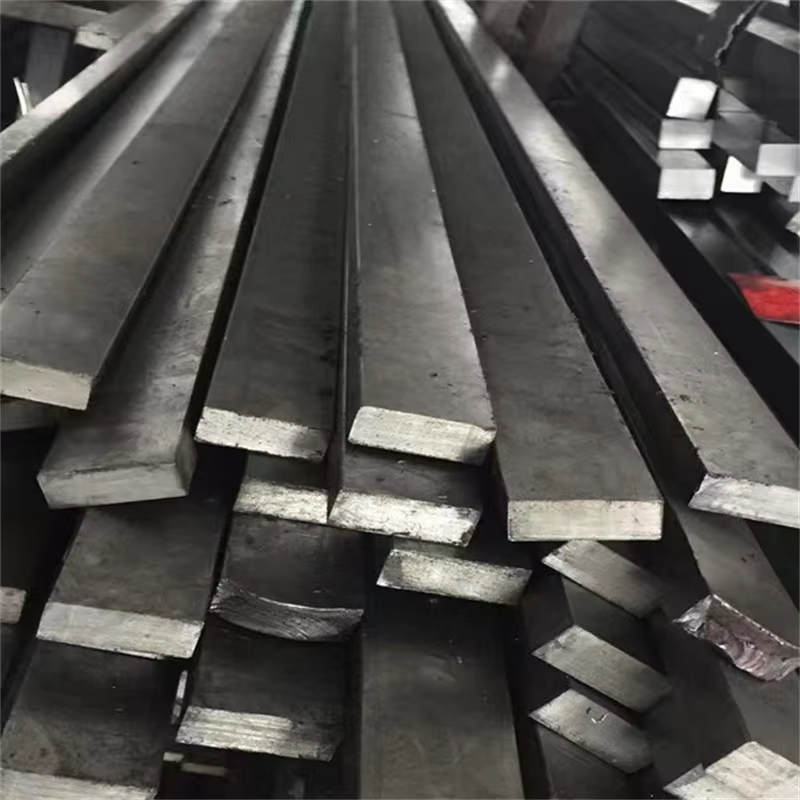
When it comes to sourcing structural materials for construction, heavy machinery, bridges, or industrial fabrication, selecting the right hot rolled steel sheet is one of the most critical decisions a buyer can make. The wrong choice can lead to structural failures, cost overruns, and project delays — while the right one ensures durability, safety, and long-term performance. This guide walks you through the key factors to consider when choosing a hot rolled steel sheet, helping you make a confident, well-informed purchasing decision.
Understand What Hot Rolled Steel Sheet Actually Is
Before diving into selection criteria, it helps to understand the basics. A hot rolled steel sheet is produced by rolling steel slabs at extremely high temperatures — typically above the steel's recrystallization point — which makes the material easier to shape and form. The result is a plate or sheet with good mechanical properties, a slightly rough surface texture, and excellent structural integrity. Compared to cold rolled steel, hot rolled steel sheet tends to be more cost-effective and is better suited for applications where tight dimensional tolerances are not the primary concern. It is widely used in bridges, power station equipment, lifting machinery, mining machinery, and large welding structural components.
Match the Steel Grade to Your Application
Not all hot rolled steel sheet products are created equal, and the grade you select must align with the demands of your specific application. Different projects call for different material grades, each with its own mechanical and chemical properties. Here are the main categories to be aware of:
Shipbuilding steel plate grades such as A32, AH32, A36, AH36, DH36, D32, and DH32 are specially designed for marine environments and ship construction, where resistance to seawater corrosion and impact is essential. High-strength structural grades including Q235B/C/D/E, Q345B/C/D/E, Q460C/D/E, and Q609C/D/E are commonly specified for bridges and power station equipment where load-bearing capacity is paramount. Alloy steel plate grades like 40Cr, 50Mn, 65Mn, 15CrMo, 35CrMo, and 42CrMo are suited for machinery, tooling, and structural components that require enhanced hardness and wear resistance. Pressure vessel grades such as Q245R, Q345R, and Q370R are mandated for use in tanks, boilers, and chemical storage applications where pressure containment is the overriding concern. Matching the grade to the use case is fundamental — specifying an undersized grade risks safety, while over-specifying inflates costs unnecessarily.
Verify Compliance with International Standards
When sourcing hot rolled steel sheet from an international supplier, always confirm that the products are manufactured and tested in accordance with recognized global standards. Reputable suppliers produce steel plates compliant with major standards including ASTM (American), DIN (German), JIS (Japanese), GB (Chinese), EN (European), and others. These standards govern everything from chemical composition and tensile strength to impact resistance and surface quality. Buying steel that carries proper mill certification and complies with your regional or project-specific standards protects you legally and technically, and ensures the material will perform as expected under engineering loads.
Pay Attention to Dimensional Tolerance and Thickness Accuracy
Dimensional accuracy is a practical but often overlooked selection factor. In fabrication and welding work, even small deviations in thickness can cause misalignment, rework, and wasted material. A quality hot rolled steel sheet supplier should be capable of maintaining tight thickness tolerances — a benchmark of ±0.01mm represents the level of precision that serious industrial buyers should look for. Beyond thickness, consider the width, length, and flatness of the sheet or plate, as these dimensions directly affect cutting yield and assembly efficiency on your project site.
Evaluate the Supplier's Production Capacity and Delivery Reliability
Choosing the right material is only half the equation — choosing the right supplier is equally important. For large-scale projects, you need a supplier who can consistently deliver adequate volumes on time. A monthly production capacity in the range of 20,000 tons is an indicator of a supplier with industrial-scale infrastructure capable of handling high-volume orders without compromising lead times. Delivery timelines typically range from 7 to 15 working days for standard orders, though this can vary based on order size and specification. Always clarify lead times upfront, particularly for project-driven procurement where delays cascade into penalties.
Confirm Packaging, Shipping, and Trade Terms
For international procurement of hot rolled steel sheet, the logistics and trade terms matter as much as the technical specifications. Ensure the supplier offers standard export seaworthy packaging suitable for ocean freight, as steel plates are vulnerable to moisture and mechanical damage during transit. Clarify trade terms — whether FOB or CIF — and understand how payment is structured. A common arrangement in the steel export trade is a 30% deposit by T/T in advance, with the remaining 70% due before shipment on FOB basis, or against the copy of the bill of lading on CIF basis. Knowing these details in advance prevents surprises and keeps your procurement process smooth and transparent.
Choose a Supplier with a Proven Global Track Record
Finally, work with a supplier who has demonstrated reliability across multiple markets and industries. A company with over 15 years of export experience, active in more than 70 countries, and serving sectors ranging from construction and automotive manufacturing to energy infrastructure, offers a level of dependability that newer or more regionally limited suppliers cannot match. Look for suppliers who offer mill certifications, have a professional quality analysis department, and welcome factory visits — these are all signs of a transparent and accountable manufacturing partner.
Selecting the right hot rolled steel sheet involves a layered evaluation of material grades, compliance standards, dimensional tolerances, supplier capacity, and trade terms. Taking the time to assess each of these dimensions will help you avoid costly mistakes and build strong, lasting supply chain relationships.
Table of Contents
- Understand What Hot Rolled Steel Sheet Actually Is
- Match the Steel Grade to Your Application
- Verify Compliance with International Standards
- Pay Attention to Dimensional Tolerance and Thickness Accuracy
- Evaluate the Supplier's Production Capacity and Delivery Reliability
- Confirm Packaging, Shipping, and Trade Terms
- Choose a Supplier with a Proven Global Track Record