 EN
EN
 AR
AR
 HR
HR
 CS
CS
 DA
DA
 NL
NL
 FI
FI
 FR
FR
 DE
DE
 EL
EL
 IT
IT
 JA
JA
 KO
KO
 NO
NO
 PL
PL
 PT
PT
 RU
RU
 ES
ES
 TL
TL
 ID
ID
 SR
SR
 SK
SK
 UK
UK
 VI
VI
 SQ
SQ
 HU
HU
 MT
MT
 TH
TH
 TR
TR
 FA
FA
 MS
MS
 MK
MK
 HY
HY
 AZ
AZ
 KM
KM
 LA
LA
 MN
MN
 MY
MY
 KK
KK
 UZ
UZ

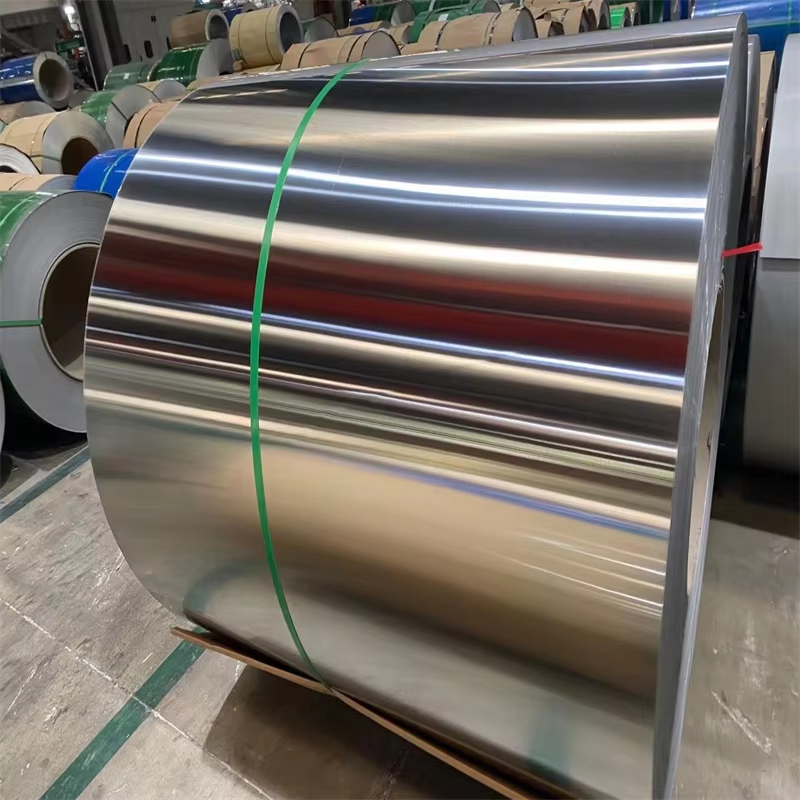
Selecting the right material is the first and most critical step in manufacturing durable, safe, and cost-effective pipelines. Hot rolled steel coil for pipeline manufacturing is a popular choice due to its strength and formability. However, not all coils are equal. This guide breaks down the key factors to consider, helping you make an informed decision based on industry best practices.
Understand the Core Manufacturing Process
Hot rolled steel is produced by rolling steel at high temperatures (above 1,700°F/926°C), which makes the steel easier to shape and form into large coils. This process is ideal for pipeline applications because it creates a material that is less about precise surface finishes and more about excellent mechanical integrity. For pipelines that transport oil, gas, or water, the ability to withstand high pressure is crucial. The hot rolling process refines the grain structure, providing a tough, ductile product that can be welded and formed into large-diameter pipes efficiently.
Prioritize Chemical Composition for Corrosion Resistance
When selecting a hot rolled steel coil for pipeline manufacturing, the chemical makeup dictates performance. Look for low carbon content (typically <0.25%) to ensure good weldability. Additionally, elements like manganese (Mn) add strength, while small amounts of copper (Cu), chromium (Cr), or nickel (Ni) can significantly improve resistance to corrosion—a vital feature for pipelines exposed to moisture or harsh chemicals. Avoid coils with high sulfur or phosphorus, as these can cause brittleness and weld cracking.
Evaluate Mechanical Properties: Strength and Flexibility
Pipelines must endure extreme conditions, so focus on yield strength and tensile strength.
• Yield Strength (e.g., 235 MPa – 355 MPa): Indicates the stress at which the pipe begins to deform permanently. Higher yield strength allows for thinner walls and lighter weight.
• Tensile Strength (e.g., 400-550 MPa): Measures resistance to breaking under tension.
• Elongation (>20%): Ensures the steel can bend without cracking during pipeline construction.
Always request a material test certificate (MTC) to verify these figures. A balanced combination of strength and ductility prevents catastrophic failures during pressure surges.
Check Dimensional Tolerances and Coil Weight
Pipelines require consistency. The thickness (gauge) of the hot rolled coil must meet tight tolerances (e.g., ±0.2mm) to ensure uniform pipe wall thickness. Variations can lead to weak spots. Also, consider the coil’s inner diameter (typically 508mm or 610mm) and outer diameter, which affect how easily it feeds into slitting or pipe-forming lines. Heavier coils (up to 30 metric tons) reduce the number of welds needed for long pipelines, lowering labor costs and potential leak points.
Assess Surface Quality and Edge Condition
While hot rolled steel usually has a rough, scaly surface (mill scale), it should be free of deep pits, cracks, or laminations. For most pipeline applications, the surface is either sandblasted or pickled to remove scale before coating. Pay special attention to the edge condition: slit edges (sheared) are common, but for high-stress pipelines, trimmed or rounded edges reduce the risk of edge cracks during forming. Visual inspection and eddy current testing can reveal hidden surface flaws.
Verify Weldability and Formability Standards
A pipeline is only as strong as its welds. Therefore, the hot rolled steel coil for pipeline manufacturing must have a low carbon equivalent (CEV), typically below 0.42%. A low CEV minimizes the risk of hydrogen-induced cracking during welding. Additionally, the coil should pass standardized bend tests (e.g., 180-degree bend) without fracture. Ask your supplier if the material complies with API 5L or ASTM A36/A572 – common standards for line pipe and structural applications.
Choose a Reputable Supplier with Quality Assurance
Finally, sourcing matters. A reliable supplier like Rarlon Steel (established since 2008) offers full traceability, from the steel mill to your factory. Check for:
• Mill test certificates (EN 10204 3.1 or 3.2)
• Third-party inspection (e.g., SGS, BV)
• Consistent supply of prime new material, not secondary or defective coils.
A trusted partner will provide technical data sheets, support custom dimensions, and ensure that your hot rolled steel coil for pipeline manufacturing meets project specifications, ultimately saving you time and money.
Table of Contents
- Understand the Core Manufacturing Process
- Prioritize Chemical Composition for Corrosion Resistance
- Evaluate Mechanical Properties: Strength and Flexibility
- Check Dimensional Tolerances and Coil Weight
- Assess Surface Quality and Edge Condition
- Verify Weldability and Formability Standards
- Choose a Reputable Supplier with Quality Assurance