
 EN
EN
 AR
AR
 HR
HR
 CS
CS
 DA
DA
 NL
NL
 FI
FI
 FR
FR
 DE
DE
 EL
EL
 IT
IT
 JA
JA
 KO
KO
 NO
NO
 PL
PL
 PT
PT
 RU
RU
 ES
ES
 TL
TL
 ID
ID
 SR
SR
 SK
SK
 UK
UK
 VI
VI
 SQ
SQ
 HU
HU
 MT
MT
 TH
TH
 TR
TR
 FA
FA
 MS
MS
 MK
MK
 HY
HY
 AZ
AZ
 KM
KM
 LA
LA
 MN
MN
 MY
MY
 KK
KK
 UZ
UZ

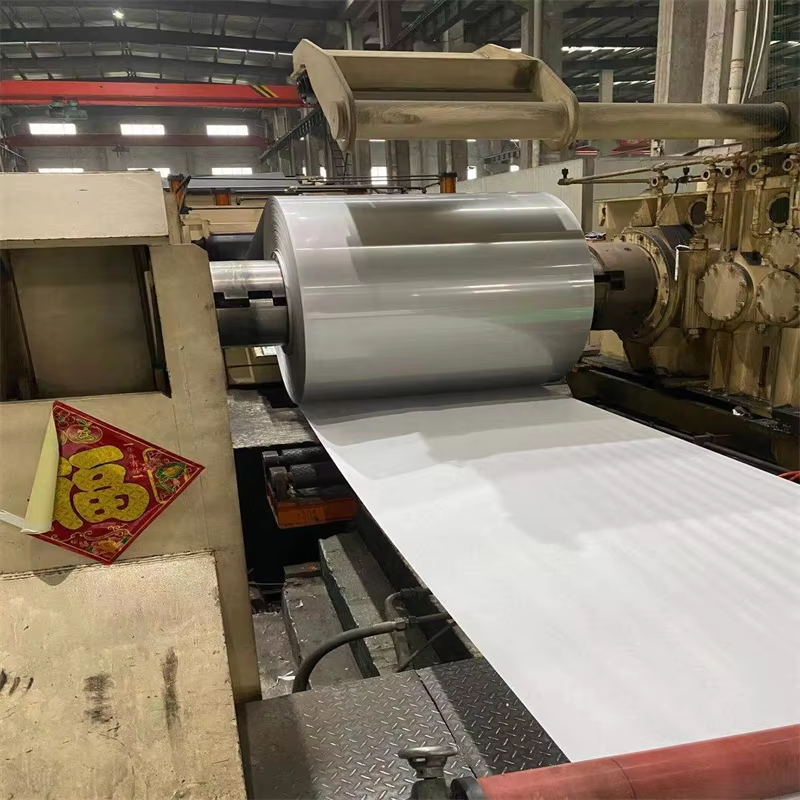
Hot rolled alloy steel represents a critical material category in modern manufacturing and heavy industry. By incorporating alloying elements such as chromium, molybdenum, manganese, and nickel into carbon steel during the hot rolling process, producers create materials with enhanced mechanical properties including higher tensile strength, improved hardenability, and superior wear resistance. These characteristics make hot rolled alloy steel indispensable for demanding applications where ordinary carbon steel would fail under stress, temperature extremes, or cyclic loading conditions.
Understanding Alloy Steel Designations and Their Significance
The designation system for alloy steel grades follows standardized conventions that communicate chemical composition and intended applications. Chinese GB standards classify grades such as 40Cr, 42CrMo, 35CrMo, 20Mn2, and Q345B, each formulated for specific performance requirements. The prefix numbers in 40Cr and 35CrMo indicate the nominal carbon content in hundredths of a percent (0.40% and 0.35% respectively), while the chemical symbols denote primary alloying elements. Q345B falls under a different naming convention where Q signifies yield strength (qu fu dian), 345 indicates minimum yield strength of 345 MPa, and B represents the quality grade with specified impact testing at 20°C. Understanding these designations allows procurement specialists to match material specifications precisely to application needs.
Gears and Transmission Components: The Role of 40Cr and 20Mn2
Gear manufacturing represents one of the largest application segments for hot rolled alloy steel. Grade 40Cr, a chromium-bearing medium carbon alloy steel, is extensively used for producing spur gears, helical gears, worm gears, and transmission shafts in industrial machinery. After quenching and tempering, 40Cr achieves hardness values of HRC 28-35 with good core toughness, enabling gears to withstand both surface contact fatigue and root bending fatigue. The chromium content of 0.80-1.10% promotes carbide formation and improves hardenability, ensuring uniform mechanical properties through the cross-section of larger components. For applications requiring superior surface hardness combined with a tough core, manufacturers often subject 40Cr gears to induction hardening or carburizing treatments. Grade 20Mn2, a low carbon manganese alloy steel, serves as an alternative for gears requiring deep case hardening through carburizing processes. After carburizing, quenching, and low-temperature tempering, 20Mn2 achieves surface hardness of HRC 58-62 while maintaining a ductile core, making it suitable for heavy-duty gearboxes in mining trucks and construction equipment.
Shafts, Crankshafts, and Rotating Machinery: 42CrMo and 35CrMo
The manufacturing of shafts and crankshafts demands materials with exceptional fatigue strength, torsional rigidity, and resistance to bending under high loads. Hot rolled alloy steel grades 42CrMo and 35CrMo, both chromium-molybdenum steels, are the materials of choice for these critical rotating components. 42CrMo (equivalent to AISI 4140) contains approximately 0.38-0.45% carbon, 0.90-1.20% chromium, and 0.15-0.25% molybdenum. The molybdenum addition significantly improves hardenability and high-temperature strength while reducing temper embrittlement susceptibility. After quenching from 850°C in oil and tempering between 550-650°C, 42CrMo develops a tempered martensite microstructure with tensile strength of 900-1100 MPa and elongation of 12-15%, providing an optimal balance of strength and ductility for crankshafts in medium-speed diesel engines and reciprocating compressors. 35CrMo (AISI 4135 equivalent) with slightly lower carbon content offers better weldability and toughness, making it preferred for large-diameter pump shafts, turbine shafts, and marine propulsion shafts where service conditions demand reliable performance under combined bending and torsional loading over extended operating periods.
Pressure Vessels and Chemical Processing Equipment: Q345B
Q345B is a low alloy high strength structural steel widely used in pressure vessel fabrication, storage tanks, and chemical processing equipment. With minimum yield strength of 345 MPa, Q345B provides approximately 47% higher strength compared to Q235 carbon structural steel, allowing designers to reduce wall thickness and overall weight while maintaining structural integrity. The addition of manganese (1.00-1.60%) and micro-alloying elements including niobium, vanadium, and titanium refines grain structure through controlled rolling processes, enhancing both strength and low-temperature toughness. For pressure vessel applications following GB 150 or ASME Section VIII codes, Q345B plates in thicknesses from 6mm to 120mm are formed and welded into cylindrical shells, hemispherical heads, and reinforcement pads. The material's good weldability with preheat temperatures of 100-150°C for thicker sections ensures reliable fabrication. Typical applications include LPG storage tanks, heat exchangers, reaction vessels in petrochemical plants, and boiler drums in thermal power stations where operating temperatures remain below 350°C.
Mining Equipment: Wear Resistance and Structural Integrity
The mining industry subjects equipment to extreme conditions including abrasive wear, impact loading, and corrosive environments. Hot rolled alloy steel components form the backbone of crushers, grinding mills, conveyor systems, and excavation machinery. 40Cr and 42CrMo are commonly specified for crusher shafts, eccentric shafts in jaw crushers, and gyratory crusher main shafts where the combination of high strength and good fatigue resistance prevents premature failure. Q345B provides the structural framework for conveyor gantries, screening decks, and hopper bodies, offering sufficient strength with economical material cost. For wear plates and liners in chutes and transfer points, alloy steel grades with higher hardness such as quenched and tempered variants of 42CrMo at HRC 40-45 are employed. Mining equipment manufacturers increasingly specify hot rolled alloy steel because its consistent mechanical properties through the cross-section ensure uniform wear patterns and predictable component life, reducing unplanned downtime in remote mining operations where maintenance access is limited.
Automotive Components: Balancing Performance and Cost
The automotive industry consumes significant volumes of hot rolled alloy steel for powertrain and chassis components. Connecting rods in internal combustion engines are frequently forged from 40Cr or 42CrMo bar stock, with the material's high fatigue limit of approximately 450-500 MPa (after quench and temper) essential for surviving millions of stress cycles over the engine's service life. Steering knuckles and wheel hubs use 40Cr for its combination of machinability and mechanical properties. Axle shafts in commercial vehicles demand materials with high torsional yield strength, and grades like 42CrMo deliver tensile strengths exceeding 1000 MPa after appropriate heat treatment. Q345B finds application in truck frame rails and cross-members where high strength-to-weight ratio translates to increased payload capacity. The hot rolling process itself contributes to automotive-grade material quality by breaking down the as-cast dendritic structure, closing internal porosity, and refining grain size through controlled rolling and cooling—all factors that directly influence the fatigue performance and reliability of safety-critical automotive parts.
Heat Treatment Considerations for Hot Rolled Alloy Steel
Maximizing the performance of hot rolled alloy steel requires careful attention to heat treatment processes tailored to each grade and application. The most common heat treatment sequence for medium carbon alloy steels starts with normalizing at 840-880°C to refine the grain structure after hot rolling, followed by austenitizing at 820-860°C, quenching in oil or polymer solutions to form martensite, and tempering at 500-680°C depending on required hardness and toughness. For 42CrMo, tempering between 540-680°C produces a tempered martensite structure known as sorbitic microstructure, offering optimal strength-toughness balance with tensile strengths from 750-1000 MPa. Tempering above 650°C must be followed by rapid cooling through the 375-575°C range to avoid temper embrittlement associated with phosphorus, antimony, and tin trace elements segregating to prior austenite grain boundaries. Manufacturers should verify that suppliers provide material with controlled residual element levels, typically phosphorus below 0.025% and sulfur below 0.020%, to minimize embrittlement risk. Surface hardening methods including induction hardening for 40Cr shafts and gears, nitriding for 42CrMo components requiring maximum surface hardness with minimal distortion, and carburizing for 20Mn2 parts expand the application range of hot rolled alloy steel into areas demanding hard, wear-resistant surfaces with tough cores.
Quality Verification and Sourcing Considerations
Industrial buyers sourcing hot rolled alloy steel should establish clear quality verification protocols aligned with international standards. Mill test certificates (MTCs) conforming to EN 10204 Type 3.1 should accompany each shipment, documenting chemical composition, mechanical properties including yield strength, tensile strength, elongation, and impact values at specified temperatures. Third-party inspection by agencies such as SGS, Bureau Veritas, or TUV during production and pre-shipment provides independent verification of compliance with GB/T 3077, ASTM A29, or equivalent standards. Buyers should request macro-etch testing to verify freedom from centerline segregation, porosity, and internal cracks particularly for large-diameter bar stock intended for forged components. Ultrasonic testing per GB/T 4162 or ASTM A388 detects internal discontinuities in shafts and thick plates. For critical rotating components, additional testing including magnetic particle inspection of finished surfaces and hardness traverse testing across section thickness ensures heat treatment consistency. Establishing these quality requirements in purchase specifications and confirming supplier capability through documented process control systems reduces the risk of receiving non-conforming material that could lead to component failure in service.
Frequently Asked Questions
Q: What is the difference between 40Cr and 42CrMo, and when should each be selected?
A: 40Cr is a chromium alloy steel with approximately 0.40% carbon and 0.80-1.10% chromium, suitable for medium-strength applications such as standard gears, shafts, and structural parts. Its hardenability is moderate, making it appropriate for components with section thicknesses under approximately 50mm. 42CrMo contains additional molybdenum (0.15-0.25%) which significantly improves hardenability, allowing full hardening of sections up to 75-100mm. The molybdenum also provides superior high-temperature strength and creep resistance. Select 40Cr for general-purpose components where cost is a primary consideration and section sizes are modest. Choose 42CrMo for heavy-duty applications involving larger cross-sections, elevated operating temperatures (up to 500°C), or where fatigue performance under high cyclic loads is critical.
Q: Can Q345B be used for pressure vessels, and what standards apply?
A: Q345B is approved for pressure vessel construction under GB 150 and GB/T 713 standards in China, and under equivalent provisions in ASME Section VIII when dual-certified or when specific material qualification is performed. For pressure vessel service, Q345B plates must meet additional requirements including ultrasonic testing per GB/T 2970, impact testing at temperatures specified by design conditions, and restricted chemistry with lower sulfur and phosphorus limits compared to structural grades. Design temperatures are typically limited to -20°C to 350°C. For applications exceeding these temperature ranges, buyers should consider Q345R (specifically for pressure vessels) or Cr-Mo grades such as 15CrMoR for elevated temperature service.
Q: How does hot rolling affect the properties of alloy steel compared to cold rolling?
A: Hot rolling is performed above the recrystallization temperature of steel (typically 900-1200°C), which means the material recrystallizes during deformation, preventing work hardening and allowing large reductions in cross-section. Hot rolled alloy steel exhibits isotropic mechanical properties, lower residual stresses, and better formability compared to cold rolled material. The hot rolling process eliminates the as-cast dendritic structure of ingots or continuously cast blooms, improving material homogeneity and mechanical property consistency. However, hot rolled surfaces have mill scale and a rougher finish than cold rolled products, and dimensional tolerances are wider. Cold rolling, performed below the recrystallization temperature, produces tighter dimensional tolerances, superior surface finish, and higher strength through work hardening, but at the cost of reduced ductility and limited available thicknesses. For most structural and heavy machinery applications using alloy steel, hot rolled material provides the optimal combination of properties, thickness availability, and cost-effectiveness.
Table of Contents
- Understanding Alloy Steel Designations and Their Significance
- Gears and Transmission Components: The Role of 40Cr and 20Mn2
- Shafts, Crankshafts, and Rotating Machinery: 42CrMo and 35CrMo
- Pressure Vessels and Chemical Processing Equipment: Q345B
- Mining Equipment: Wear Resistance and Structural Integrity
- Automotive Components: Balancing Performance and Cost
- Heat Treatment Considerations for Hot Rolled Alloy Steel
- Quality Verification and Sourcing Considerations
- Frequently Asked Questions