
 EN
 AR
 HR
 CS
 DA
 NL
 FI
 FR
 DE
 EL
 IT
 JA
 KO
 NO
 PL
 PT
 RU
 ES
 TL
 ID
 SR
 SK
 UK
 VI
 SQ
 HU
 MT
 TH
 TR
 FA
 MS
 MK
 HY
 AZ
 KM
 LA
 MN
 MY
 KK
 UZ

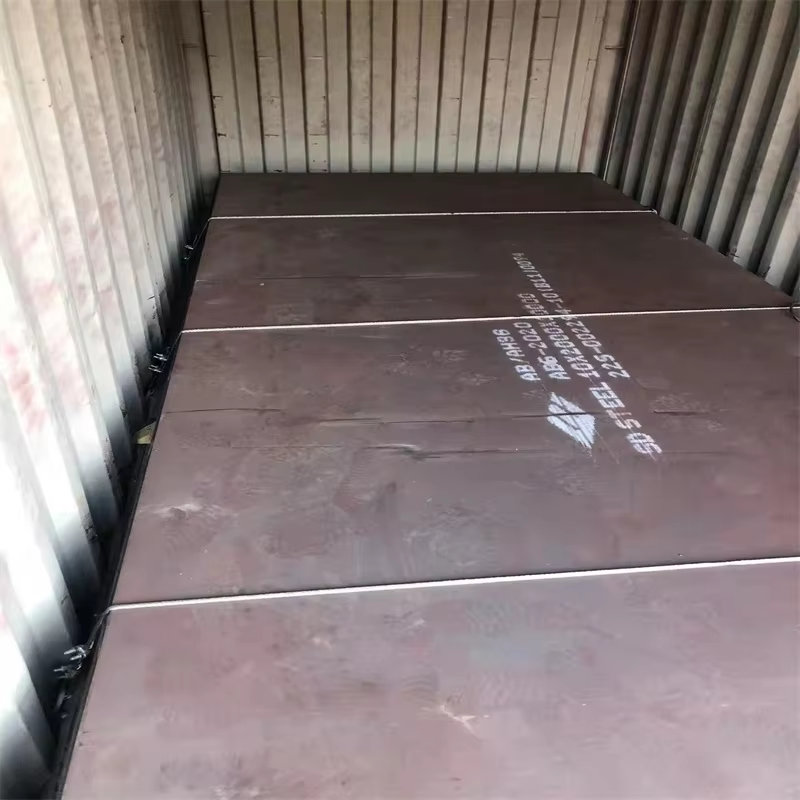
Hot rolled sheet metal is one of the most widely used flat steel products in industrial manufacturing. It is produced by rolling steel slabs at high temperatures, typically above 1000 degrees Celsius, into coils or cut-to-length sheets. The hot rolling process gives the steel a scaled surface and slightly reduced dimensional precision compared to cold rolled sheet, but at a lower production cost and with the ability to produce thicker gauges. For steel buyers, understanding the application range of hot rolled sheet metal by grade and thickness helps in selecting the right material for each job, avoiding over-specification that increases cost, and ensuring compliance with industry standards. This guide covers the main application sectors, common steel grades, and thickness selection principles for hot rolled sheet metal.
Automotive Industry Applications
The automotive industry is a major consumer of hot rolled sheet metal, particularly for structural components and parts that do not require a high-quality surface finish. Hot rolled sheets in thicknesses from 1.5mm to 6mm are used for chassis frames, seat brackets, door inner panels, and reinforcement parts. SPHC grade, which is a hot rolled commercial quality steel defined in JIS G3131, is widely used for automotive structural parts that require good formability. For components that need higher strength, hot rolled high-strength low-alloy sheets are specified. The advantage of hot rolled sheet in automotive applications is its cost efficiency for parts that are hidden or painted, where surface finish is less critical. Some automotive plants also use hot rolled sheet as blank material for subsequent cold forming or stamping processes. When sourcing hot rolled sheet for automotive use, buyers should verify that the material meets the mechanical property requirements specified in the part drawing, including yield strength, tensile strength, and elongation.
Construction and Building Applications
In the construction industry, hot rolled sheet metal is used for a wide range of applications, from structural framing to non-structural building components. Q235B grade hot rolled sheets, with thicknesses from 1.2mm to 12mm, are commonly used for floor decking, roof panels, wall studs, and general fabrication work. The scaled surface of hot rolled sheet is acceptable for most building applications because the material is often painted, galvanized, or embedded in concrete. For structural applications, the yield strength and weldability of the sheet are the primary selection criteria. Q235B provides a good balance of strength and weldability for general construction. In thin gauges (1.2mm to 3mm), hot rolled sheet is used for ceiling channels, drywall profiles, and light gauge steel framing. In thicker gauges (6mm to 25mm), it is used for base plates, gusset plates, and structural brackets. Buyers should note that for exposed architectural applications where surface appearance matters, pickled and oiled hot rolled sheet or cold rolled sheet may be a better choice.
Pipe and Tube Manufacturing
Hot rolled sheet metal is the primary raw material for electric resistance welded pipes and tubes. The sheet is uncoiled, leveled, and formed into a cylindrical shape, then welded along the longitudinal seam. SPHC and Q195 grades are the most commonly used grades for ERW pipe production, particularly for pipes used in water transmission, structural applications, and general mechanical tubing. The thickness range for pipe and tube applications is typically 1.5mm to 16mm, depending on the pipe diameter and pressure rating. For structural hollow sections, Q235B hot rolled sheet is often specified to ensure the welded tube meets the strength requirements of structural design codes. When sourcing hot rolled sheet for pipe manufacturing, buyers should pay attention to the strip shape consistency, edge condition, and the consistency of mechanical properties along the coil length. Inconsistent properties can cause problems in the forming and welding process, leading to defective pipes.
Machinery and Equipment Manufacturing
Hot rolled sheet metal is extensively used in machinery and equipment manufacturing for frames, housings, guards, and structural supports. Q235B and Q345B grades are both used, with the choice depending on the load and stress requirements of the component. Thickness selection ranges from 2mm for light machine guards to 25mm for heavy equipment base frames. Hot rolled sheet is relatively easy to cut, weld, and machine, which makes it suitable for custom fabrication work in machinery plants. For agricultural machinery, hot rolled sheet is used for plow shares, cultivator frames, and tractor components that require toughness and impact resistance. SPHC grade is often chosen for machinery parts that require bending or forming, because of its good ductility. When specifying hot rolled sheet for machinery applications, buyers should consider the welding process that will be used in fabrication. Thicker sheets and higher strength grades may require preheating and controlled welding procedures to avoid cold cracking in the heat-affected zone.
Railway and Transportation Infrastructure
The railway industry uses hot rolled sheet metal for carriage body structures, underframe components, and track-related fabrication work. Sheets in the 3mm to 12mm thickness range are used for train body panels, floor structures, and bracket fabrication. The steel must meet specific impact toughness requirements, particularly for rolling stock that operates in cold regions. Q345B grade is commonly specified for railway applications because of its higher strength and toughness compared to Q235B. Hot rolled sheet is also used in the production of shipping containers, where SPHC and Q235B grades are used for the container body, doors, and corner posts. The container industry consumes large volumes of hot rolled sheet in thicknesses from 1.6mm to 6mm. For transportation infrastructure such as bridges and highway structures, hot rolled sheet is used for web plates, flange plates, and stiffeners in plate girder fabrication, typically in thicknesses from 8mm to 25mm.
Common Steel Grades for Hot Rolled Sheet Metal
Selecting the correct steel grade is essential for ensuring that the hot rolled sheet performs as required in its intended application. SPHC is a commercial quality hot rolled carbon steel defined in JIS G3131. It is suitable for general forming, bending, and light structural use. SPHC typically has a tensile strength of 270 to 410 MPa and good ductility. Q195, defined in GB/T 700, is a low-carbon steel with a yield strength of 195 MPa minimum. It is widely used for pipe manufacturing, hardware, and general fabrication where high strength is not required. Q235B, also defined in GB/T 700, has a minimum yield strength of 235 MPa and is the most widely used grade for structural and general engineering applications. Q235B is weldable and suitable for most fabrication processes. For applications requiring higher strength, Q345B from GB/T 1591 provides a minimum yield strength of 345 MPa and is suitable for heavy structures and machinery. When exporting to markets that follow ASTM standards, equivalent grades such as ASTM A36, ASTM A572 Grade 50, and ASTM A1011 SS Grade 36 are available.
Thickness Selection by Application
The thickness of hot rolled sheet metal should be selected based on the structural requirements, fabrication method, and cost considerations of each application. For automotive chassis and structural parts, thicknesses between 2mm and 6mm are typical. For construction floor decking and roof panels, 0.8mm to 3mm is common, though hot rolled sheet in this range is often replaced by galvanized steel. For pipe and tube manufacturing, thickness is determined by the pipe diameter and design pressure, typically ranging from 1.5mm to 16mm. For machinery frames and equipment bases, thickness selection ranges from 3mm to 25mm depending on the load. For railway and container applications, 1.6mm to 12mm covers most requirements. Buyers should also consider the thickness tolerance of hot rolled sheet, which is typically specified in GB/T 709 or ASTM A6. The actual thickness may vary by up to 0.3mm from the nominal thickness depending on the thickness range and the mill tolerance class. For applications where thickness control is critical, buyers should specify the tighter tolerance class in the purchase order.
Sourcing Scenario: ERW Pipe Mill in Middle East
A practical sourcing scenario illustrates the importance of matching grade and thickness to application. An ERW pipe mill in the Middle East was producing structural hollow sections in diameters from 50mm to 300mm for construction projects. The mill initially sourced Q235B hot rolled sheet in 4mm and 6mm thickness for all products. After reviewing the design requirements, the technical team found that for pipes with diameter below 150mm and yield strength requirement of 235 MPa, Q195 grade sheet in 3mm to 5mm thickness was sufficient and cost less per ton. By switching part of the raw material specification to Q195, the mill reduced material cost by approximately 8% while still meeting the product standard requirements. The mill also worked with the steel supplier to source coils with controlled yield strength variation, which improved the dimensional stability of the formed pipe and reduced rejection rates in the welding process. This example shows that understanding grade properties and application requirements can lead to measurable cost savings without compromising quality.
Frequently Asked Questions
What is the difference between SPHC and Q235B hot rolled sheet?
SPHC is a Japanese Industrial Standard grade defined in JIS G3131, intended for commercial quality forming applications. Q235B is a Chinese standard grade defined in GB/T 700, with specified mechanical properties including yield strength and impact toughness. SPHC has similar chemical composition to Q215A but is not required to meet a minimum yield strength value. Q235B is more suitable for structural applications where strength verification is required.
Can hot rolled sheet metal be used for outdoor applications without surface treatment?
Hot rolled sheet has a scaled oxide surface that provides some corrosion resistance but is not sufficient for long-term outdoor exposure. Without surface treatment such as galvanizing, painting, or coating, hot rolled sheet will eventually rust in most outdoor environments. For outdoor applications, hot rolled sheet is typically used as a substrate for galvanized products or is painted with a suitable coating system.
What is the maximum thickness available for hot rolled sheet metal?
Hot rolled sheet is generally available in thicknesses from 1.2mm up to 25mm in coil form. For thicker products above 25mm, hot rolled plate is the more appropriate product category. The availability of specific thicknesses depends on the mill production range and the order quantity. Buyers should confirm the available thickness range with the supplier before finalizing the specification.
Table of Contents
- Automotive Industry Applications
- Construction and Building Applications
- Pipe and Tube Manufacturing
- Machinery and Equipment Manufacturing
- Railway and Transportation Infrastructure
- Common Steel Grades for Hot Rolled Sheet Metal
- Thickness Selection by Application
- Sourcing Scenario: ERW Pipe Mill in Middle East
- Frequently Asked Questions