
 EN
EN
 AR
AR
 HR
HR
 CS
CS
 DA
DA
 NL
NL
 FI
FI
 FR
FR
 DE
DE
 EL
EL
 IT
IT
 JA
JA
 KO
KO
 NO
NO
 PL
PL
 PT
PT
 RU
RU
 ES
ES
 TL
TL
 ID
ID
 SR
SR
 SK
SK
 UK
UK
 VI
VI
 SQ
SQ
 HU
HU
 MT
MT
 TH
TH
 TR
TR
 FA
FA
 MS
MS
 MK
MK
 HY
HY
 AZ
AZ
 KM
KM
 LA
LA
 MN
MN
 MY
MY
 KK
KK
 UZ
UZ

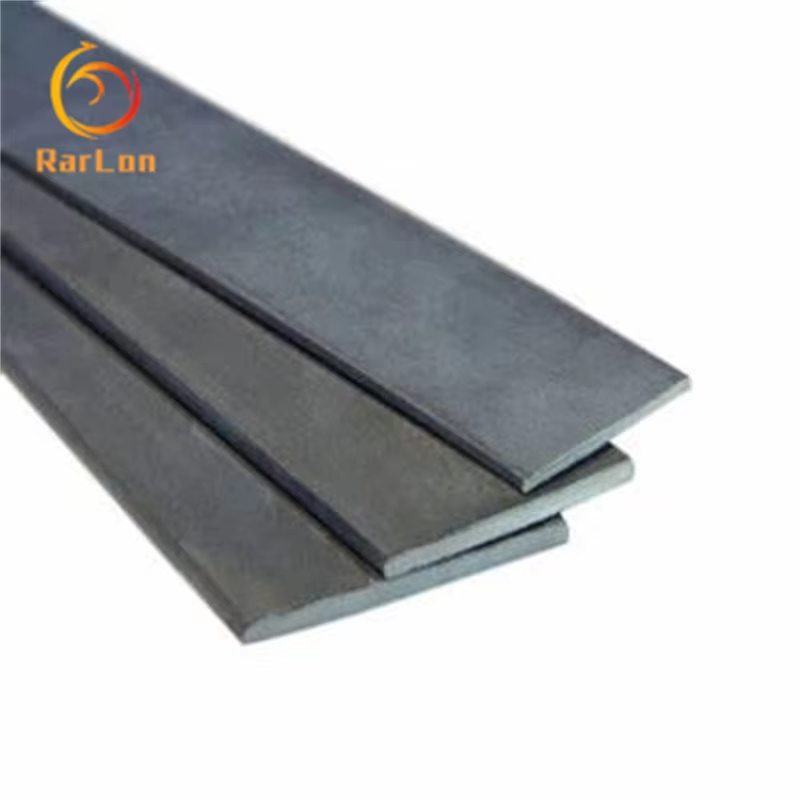
Introduction to Hot Rolled Strip
Hot rolled strip is a versatile product used in various industries due to its unique properties and production processes. Manufactured through the hot rolling of steel, it is commonly used in applications where strength, durability, and a broad range of thicknesses and widths are needed. Hot rolled strips are created by passing steel through rollers at high temperatures, which makes the metal more malleable and easy to shape. In this article, we will explore the primary applications of hot rolled strip, its advantages, and how it contributes to different sectors.
Construction Industry
Hot rolled strip plays a crucial role in the construction sector. It is primarily used in structural components such as beams, channels, and angles, which provide strength and support to buildings, bridges, and other infrastructures. The strip's ability to be formed into various shapes while maintaining high strength is a major factor in its widespread use in construction. Additionally, it is often used to manufacture steel reinforcement bars, which are essential for the stability of concrete structures.
Hot rolled strips are also commonly used in the manufacturing of cladding panels and metal roofing systems. Their durability and resistance to corrosion make them ideal for use in environments that experience extreme weather conditions. Whether it is a high-rise building or a commercial warehouse, hot rolled strips contribute to both the structural integrity and aesthetic appeal of the construction.
Automotive Industry
In the automotive industry, hot rolled strip is widely used in the production of vehicle components. The high strength-to-weight ratio of hot rolled steel makes it ideal for manufacturing car chassis, body panels, and various other parts. These components require precision and strength to ensure safety and performance on the road. Hot rolled strips can be easily shaped and welded, which makes them a perfect fit for mass production processes.
Additionally, hot rolled strips are utilized in the manufacturing of suspension components and exhaust systems, where strength and resistance to high temperatures are critical. The automotive industry relies on the cost-effectiveness and versatility of hot rolled steel to meet the growing demand for lightweight yet durable vehicle parts.
Heavy Machinery and Equipment
The heavy machinery industry benefits greatly from the use of hot rolled strip in the manufacturing of equipment and machinery components. Due to its toughness and resistance to wear and tear, hot rolled steel is an excellent choice for producing gears, shafts, rollers, and other mechanical parts. The ability to produce hot rolled strips in various thicknesses and widths allows manufacturers to meet the specific needs of different machinery applications.
Moreover, hot rolled strips are used in the production of industrial containers, storage tanks, and heavy-duty equipment. Their durability and ability to withstand harsh operating conditions make them an essential material in the manufacturing of machinery used in mining, construction, and other heavy industries.
Appliances and Household Goods
In the household appliance industry, hot rolled strips are commonly used in the production of appliances such as refrigerators, washing machines, and dishwashers. The strip is used to create the outer shells, internal components, and other structural elements of these appliances. The ability to form hot rolled strips into precise shapes makes them ideal for producing parts that require both strength and aesthetics.
Additionally, hot rolled steel is used in the production of home goods such as furniture frames, shelving units, and other metal-based products. The versatility of hot rolled strip enables manufacturers to create products that meet both functional and design requirements.
Energy and Power Generation
Hot rolled strip is also essential in the energy sector, where it is used to produce parts for power plants, oil rigs, and other energy-related infrastructure. It is used in the production of pressure vessels, pipelines, and other equipment that must withstand extreme conditions such as high temperatures and pressure. The strength and reliability of hot rolled steel make it an ideal choice for the energy industry, where safety and durability are paramount.
In addition, hot rolled strips are used in the construction of wind turbines and solar power infrastructure, contributing to the growing renewable energy sector. The material's ability to resist corrosion and its longevity make it a key component in the development of sustainable energy systems.
Conclusion
Hot rolled strip is a fundamental material in many industries due to its strength, versatility, and cost-effectiveness. From construction to automotive manufacturing, heavy machinery to household goods, this product plays a crucial role in producing high-quality, durable products. Its adaptability in shape, size, and form makes it a go-to material for manufacturers looking for an efficient and reliable solution.