
 EN
EN
 AR
AR
 HR
HR
 CS
CS
 DA
DA
 NL
NL
 FI
FI
 FR
FR
 DE
DE
 EL
EL
 IT
IT
 JA
JA
 KO
KO
 NO
NO
 PL
PL
 PT
PT
 RU
RU
 ES
ES
 TL
TL
 ID
ID
 SR
SR
 SK
SK
 UK
UK
 VI
VI
 SQ
SQ
 HU
HU
 MT
MT
 TH
TH
 TR
TR
 FA
FA
 MS
MS
 MK
MK
 HY
HY
 AZ
AZ
 KM
KM
 LA
LA
 MN
MN
 MY
MY
 KK
KK
 UZ
UZ

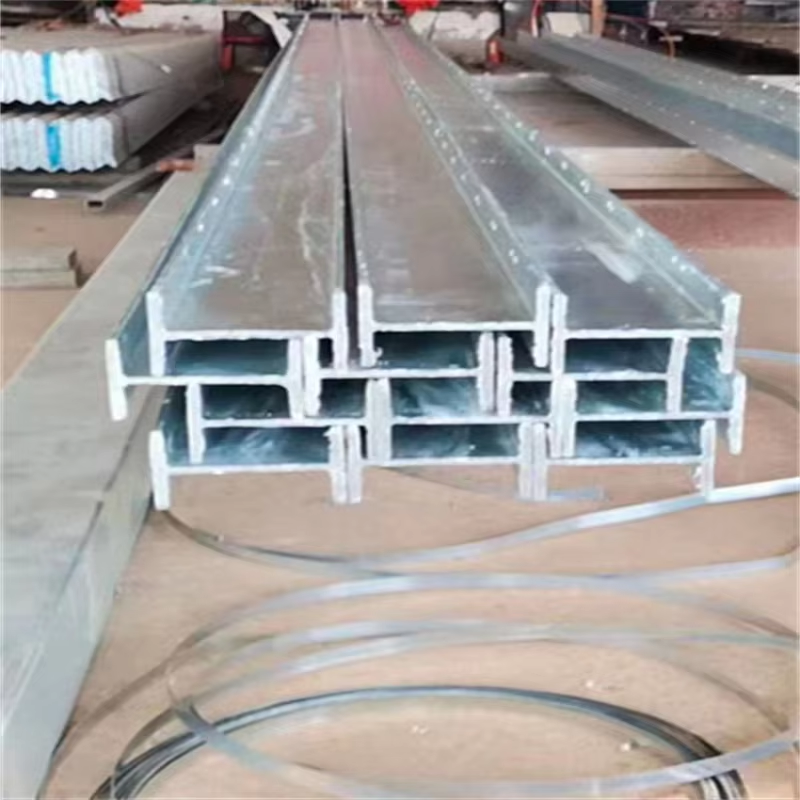
Introduction to H Beam Structure
In the world of structural design, choosing the right material is crucial to ensure the stability, safety, and efficiency of a construction project. One of the most commonly used structural elements in construction is the H beam, also known as the I-beam. The H beam structure is a type of steel beam that is characterized by its “H” shape when viewed in cross-section. This beam is widely utilized in the construction of buildings, bridges, and other heavy infrastructure projects due to its excellent strength-to-weight ratio, versatility, and ease of use. In this article, we will explore the benefits of using H beams in structural design, how they contribute to the strength of a structure, and why they are preferred by engineers and architects worldwide.
Strength and Stability
The primary reason for using H beams in structural design is their exceptional strength and stability. The shape of an H beam, with its wide flanges and narrow web, allows it to withstand significant loads while maintaining its structural integrity. The horizontal flanges provide the strength needed to resist bending, while the vertical web helps resist shear forces. This combination makes the H beam ideal for supporting heavy loads in structures such as high-rise buildings, bridges, and industrial plants.
Additionally, H beams are known for their resistance to buckling, which is essential in tall structures or in situations where the beam is subjected to compressive forces. The stability provided by H beams ensures that the structure remains safe and secure, even under extreme conditions.
Versatility in Design
Another key advantage of using H beams in structural design is their versatility. H beams can be used in a wide variety of applications, from the foundation of a building to the roof beams of a bridge. Whether the design requires long spans, high load-bearing capacity, or both, H beams can meet the requirements. They are often used as the main support for floors, ceilings, and roofs, as well as in columns and beams for heavy machinery or equipment.
The adaptability of H beams makes them ideal for both residential and commercial construction. Their size and strength can be adjusted to suit specific design requirements, allowing engineers to create customized solutions for each project. Whether it’s a skyscraper, industrial facility, or residential home, H beams can be used to achieve the desired structural performance.
Cost-Effectiveness
When compared to other types of structural beams, H beams offer significant cost savings. Due to their high strength-to-weight ratio, fewer materials are required to achieve the same load-bearing capacity as other beam types, such as box beams or concrete beams. This reduction in material usage not only saves money but also reduces the overall weight of the structure, making it easier to transport and install.
In addition, the use of H beams can help reduce the amount of labor required for construction. Because they are easy to handle and install, construction projects can be completed more quickly, which in turn lowers labor costs. The cost-effectiveness of H beams is one of the main reasons why they are widely used in the construction industry.
Durability and Longevity
H beams are made from high-quality steel, which is known for its durability and resistance to corrosion. This makes them an excellent choice for both indoor and outdoor structural applications. In environments that are exposed to extreme weather conditions, such as bridges, highways, or coastal areas, H beams can withstand the elements without significant degradation.
Furthermore, the longevity of H beams means that they require minimal maintenance over time. Unlike other structural materials that may need to be replaced or repaired due to wear and tear, H beams maintain their strength and stability for many years, making them a cost-effective and reliable long-term solution for structural design.
Easy to Fabricate and Customize
Another important feature of H beams is that they are easy to fabricate and customize to meet the specific needs of a project. Whether it’s adjusting the length, width, or thickness of the beam, H beams can be tailored to fit the unique requirements of a given structure. This customization allows engineers and architects to achieve the precise specifications needed for the design, resulting in a more efficient and effective construction process.
Additionally, H beams can be welded or bolted together to create larger structures, providing further flexibility in design. This ease of fabrication also reduces the overall time and cost of manufacturing, making H beams an ideal choice for large-scale construction projects.
Applications in Modern Architecture and Engineering
The H beam structure is widely used in modern architecture and engineering due to its numerous benefits. In addition to being used in the construction of residential and commercial buildings, H beams are also essential in the design of infrastructure such as bridges, overpasses, and tunnels. The ability of H beams to support heavy loads and resist bending makes them perfect for these types of applications.
In the industrial sector, H beams are commonly used in the construction of factories, warehouses, and manufacturing facilities. These buildings often require robust support systems to handle the weight of machinery, equipment, and raw materials, and H beams provide the strength needed to meet these demands.
Conclusion
The H beam structure offers numerous benefits in structural design, from its strength and stability to its versatility, cost-effectiveness, and durability. Whether used in high-rise buildings, bridges, or industrial facilities, H beams are an essential component of modern construction. Their ability to withstand heavy loads, resist bending and buckling, and be easily customized makes them a top choice for engineers and architects worldwide. By incorporating H beams into structural design, projects can achieve the necessary performance and safety while keeping costs under control.