
 EN
EN
 AR
AR
 HR
HR
 CS
CS
 DA
DA
 NL
NL
 FI
FI
 FR
FR
 DE
DE
 EL
EL
 IT
IT
 JA
JA
 KO
KO
 NO
NO
 PL
PL
 PT
PT
 RU
RU
 ES
ES
 TL
TL
 ID
ID
 SR
SR
 SK
SK
 UK
UK
 VI
VI
 SQ
SQ
 HU
HU
 MT
MT
 TH
TH
 TR
TR
 FA
FA
 MS
MS
 MK
MK
 HY
HY
 AZ
AZ
 KM
KM
 LA
LA
 MN
MN
 MY
MY
 KK
KK
 UZ
UZ

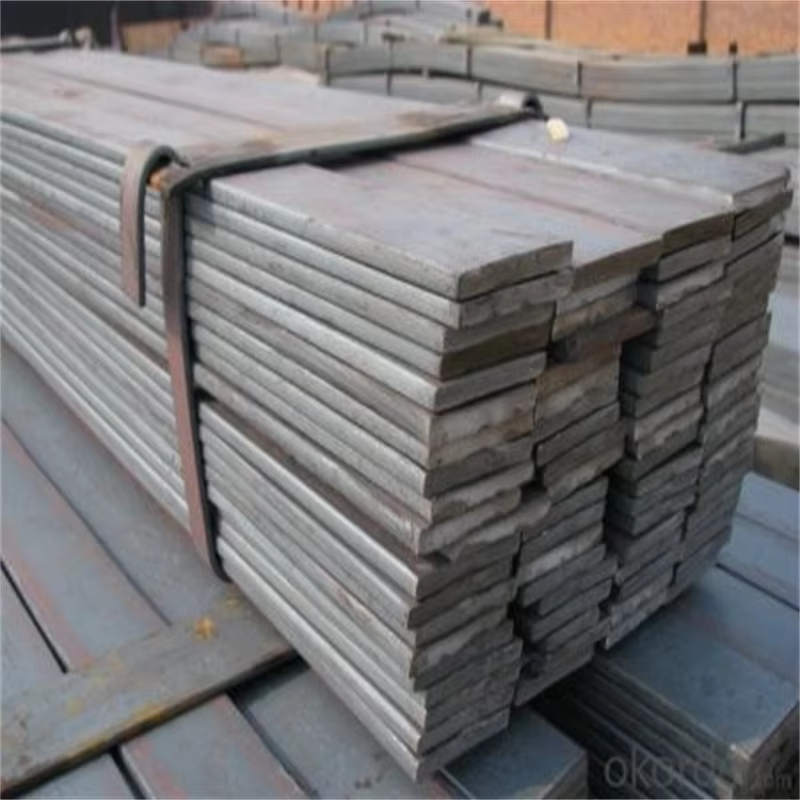
Hot rolled plate is one of the most versatile steel products used across the construction industry. From the skeleton of high-rise buildings to the girders of highway bridges and the foundations of heavy industrial equipment, HR plate provides the strength, workability, and availability that construction projects demand. Understanding the specific applications where HR plate delivers the greatest value helps structural engineers, project managers, and procurement teams select the right plate grade and thickness for each construction requirement.
Building Frames and Structural Skeletons
In multi-story building construction, HR plate is used extensively in the primary structural frame. Column sections in high-rise buildings are frequently fabricated from Q345B plate, where the minimum yield strength of 345 MPa provides the axial load capacity needed for columns supporting 20 or more floors. Built-up column sections are constructed by welding HR plate components into H-shapes or box shapes, with flange plates typically ranging from 20mm to 40mm and web plates from 12mm to 25mm depending on the column location and load magnitude. Transfer beams, which carry loads from upper columns to lower columns where column grids shift, are fabricated from thicker Q345B plate at 30mm to 50mm for the flanges, ensuring sufficient bending resistance at critical load transfer points. Splice plates at column and beam connections are cut from 10mm to 16mm HR plate and bolted or welded to join structural members at floor levels, with connection design following AISC or Eurocode 3 provisions depending on project jurisdiction.
Bridge Girders and Highway Infrastructure
HR plate plays a central role in bridge construction, particularly in steel girder bridges where the main load-carrying members are fabricated from plate rather than rolled sections. Plate girder bridges use web plates and flange plates cut from S355JR or Q345B HR plate, with web thicknesses from 10mm to 20mm and flange thicknesses from 20mm to 50mm. The web plates are stiffened with transverse stiffener plates, typically 8mm to 12mm HR plate, welded at intervals to prevent web buckling under shear forces. For longer span bridges exceeding 60 meters, variable depth girders are fabricated by cutting the web plate to a curved profile using plasma or flame cutting, where the superior formability of HR plate in as-rolled condition allows this geometric shaping without material degradation. Bearing plates at bridge support locations, which transfer girder reactions to concrete abutments or piers, are machined from 40mm to 80mm HR plate to provide flat bearing surfaces that meet tolerance requirements specified in bridge design codes.
Heavy Equipment Foundations and Industrial Platforms
Industrial construction projects such as power plants, petrochemical facilities, and steel mills require massive foundation structures that rely on HR plate. Equipment base frames for turbines, generators, and large compressors are fabricated from Q345B or S355JR plate at thicknesses from 16mm to 40mm, designed to distribute concentrated equipment loads across concrete foundation mats. Grillage beams under heavy equipment, consisting of multiple layers of HR plate laid in orthogonal directions, use plates from 25mm to 60mm to create a load-spreading framework beneath anchor points. Machine anchor plates, embedded in concrete and connected to equipment hold-down bolts, are cut from HR plate and often require drill-through holes for bolt insertion. In these applications, the as-rolled condition of HR plate is acceptable because the plate surfaces bear against grout or concrete rather than requiring a machined finish, keeping fabrication costs within budget for large industrial projects.
Retaining Walls and Earth Retention Structures
HR plate is used in retaining wall construction where soil loads require high bending resistance across the wall height. Cantilever retaining walls up to 6 meters in height can be designed using Q235B or Q345B HR plate as the wall stem, with plate thickness from 12mm to 25mm depending on retained soil height and surcharge loads. Anchored retaining walls for deeper excavations use HR plate as facing panels bolted or welded to steel anchor beams, with plate thicknesses from 10mm to 20mm. In marine and waterfront construction, sheet pile walls are supplemented with HR plate cap beams and tie-back plates that connect the wall head to anchor systems. The corrosion resistance requirement in these environments is addressed by specifying HR plate with mill-applied corrosion-resistant coatings or by using weathering steel grades such as Q355NH that form a protective oxide layer, reducing maintenance costs over the structure service life.
Structural Connections and Detailing Components
Beyond primary structural members, HR plate serves essential functions in the connection detailing that holds building and bridge frames together. Gusset plates at bracing connections in braced frame structures are cut from 8mm to 16mm HR plate, with geometric shapes tailored to the angle and force demands at each connection point. Stiffener plates inside column and beam sections, which prevent local buckling of thin web and flange elements, are typically 6mm to 12mm HR plate welded perpendicular to the web at concentrated load locations. End plates at beam-to-column moment connections, which enable bolted moment connections in steel frames, are fabricated from 16mm to 30mm HR plate depending on the connection moment demand, with holes drilled for high-strength bolts per AISC or Eurocode 3 connection design requirements. Cleat plates and bracket plates for secondary connections are cut from thinner HR plate at 6mm to 10mm and provide attachment points for facade supports, crane rails, and mechanical equipment hangers within the building frame.
Case Study: High-Rise Office Tower Column Supply
In 2023, a Tianjin-based steel trading company supplied 450 tons of Q345B HR plate for the column fabrication of a 28-story office tower in Oceania. The plate ranged from 16mm to 36mm in thickness, used for built-up H-column flanges and webs at varying floor levels. Column sections at the lower floors utilized 36mm flange plates and 20mm web plates to resist axial loads exceeding 8,000 kN, while upper floor columns were fabricated from 16mm flanges and 12mm webs as column loads reduced with height. All Q345B plate was produced by mills in Hebei and Shandong provinces, with mill test certificates confirming yield strengths between 370 and 410 MPa. The plate was shipped from Tianjin Xingang in 12 container loads over a four-month delivery schedule aligned with the project erection sequence, demonstrating how HR plate supply from Chinese mills can be timed to match construction phasing requirements.
Procurement Planning for Construction HR Plate
Construction project procurement teams should plan HR plate orders with attention to grade consistency, thickness range, and delivery phasing. Specifying a single grade such as Q345B across all plate thicknesses simplifies mill production and quality control, though engineers may select Q235B for lightly loaded components to reduce material cost where design permits. Thickness ranges should be consolidated to standard increments of 2mm or 5mm to match mill production schedules and reduce lead time. Delivery phasing is critical for construction projects where plate arrives in batches aligned with erection sequences, requiring the trading company to coordinate mill production slots and vessel schedules from Tianjin Xingang port. For projects in North America and Europe, confirming that HR plate grades carry dual designation in both Chinese and international standards on mill test certificates ensures smooth material approval at the destination site.
Table of Contents
- Building Frames and Structural Skeletons
- Bridge Girders and Highway Infrastructure
- Heavy Equipment Foundations and Industrial Platforms
- Retaining Walls and Earth Retention Structures
- Structural Connections and Detailing Components
- Case Study: High-Rise Office Tower Column Supply
- Procurement Planning for Construction HR Plate