
 EN
EN
 AR
AR
 HR
HR
 CS
CS
 DA
DA
 NL
NL
 FI
FI
 FR
FR
 DE
DE
 EL
EL
 IT
IT
 JA
JA
 KO
KO
 NO
NO
 PL
PL
 PT
PT
 RU
RU
 ES
ES
 TL
TL
 ID
ID
 SR
SR
 SK
SK
 UK
UK
 VI
VI
 SQ
SQ
 HU
HU
 MT
MT
 TH
TH
 TR
TR
 FA
FA
 MS
MS
 MK
MK
 HY
HY
 AZ
AZ
 KM
KM
 LA
LA
 MN
MN
 MY
MY
 KK
KK
 UZ
UZ

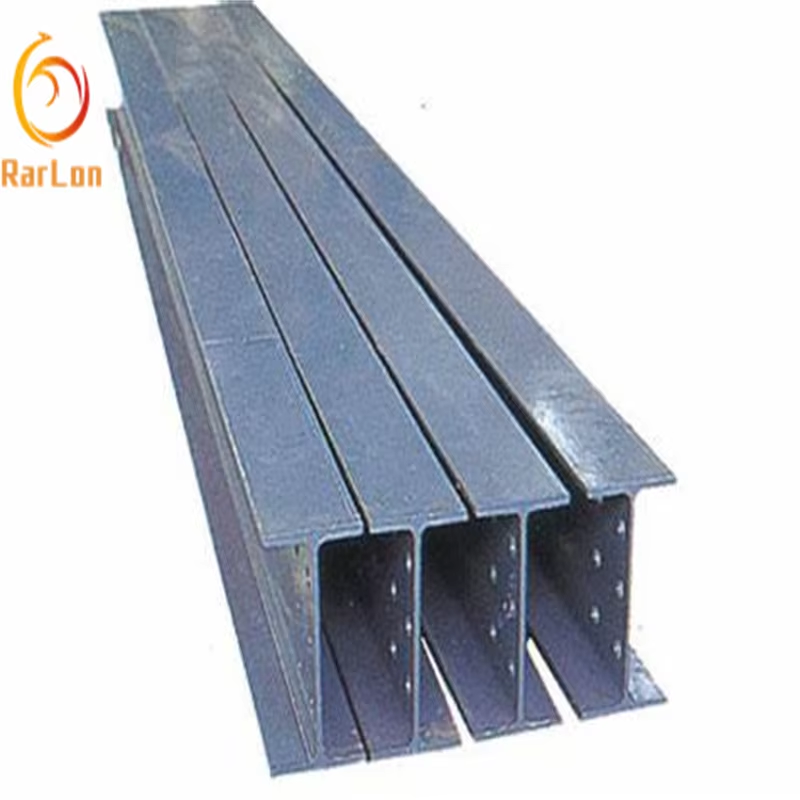
Unmatched Corrosion Resistance: How Galvanized H Beam Outperforms Conventional Steel
The Science of Hot-Dip Galvanizing: Zinc Metallurgical Bonding and Barrier Protection
When hot dip galvanizing is applied, it creates a strong bond between zinc and steel surfaces. This process results in several layers of zinc iron alloys that offer two types of protection. First, there's a solid barrier against water and air getting to the metal underneath. Second, we get what's called cathodic protection where the zinc actually sacrifices itself before the steel does when corrosion starts happening. One interesting thing about galvanized coatings is their ability to heal themselves. If there are small scratches or cuts in the coating, the surrounding zinc continues to protect the exposed steel through electrochemical reactions. For industries dealing with harsh conditions, this makes all the difference. Tests show that H beams treated with galvanizing can withstand chemical attacks for roughly eight times longer compared to regular painted steel options used in similar settings.
Field-Validated Longevity: Galvanized H Beam Lifespan in Urban, Industrial, and Coastal Environments
Galvanized H beams deliver consistent, long-term performance across diverse and aggressive settings:
- Urban/industrial zones: 50+ years of service with minimal maintenance
- Coastal applications: 35–40 years of durability despite continuous salt spray exposure
- High-humidity regions: Twice the service life of epoxy-coated steel
Corrosion studies show untreated steel beams degrade significantly within 15 years in aggressive environments, while galvanized H beams retain over 85% of their original coating thickness after 40 years. This proven longevity drives lifecycle cost reductions of 30–50% compared to maintenance-intensive alternatives like painted steel—validating zinc's unique resilience to environmental stressors.
Proven Structural Integrity: Strength, Durability, and Dimensional Stability After Galvanizing
Mechanical Property Retention—Tensile Strength, Yield Point, and Ductility
Hot dip galvanizing doesn't actually change the fundamental mechanical characteristics of the base steel. When it comes to H beams, they keep all their original strength properties intact including tensile strength, yield point, and ductility. These are basically what determines how much weight something can hold before bending permanently or breaking completely. Tests done by third parties show there's almost no difference in these important specs after galvanization occurs. Plus, the dimensions stay stable even when exposed to different temperatures and stresses over time. That makes galvanized H beams work really well in structures where things get pretty intense mechanically speaking. Think about bridges that need to last decades, skyscrapers standing tall against wind forces, or massive factory buildings supporting heavy equipment. Engineers often choose galvanized options specifically for projects needing long term reliability without compromising safety margins.
Lifecycle Cost Efficiency: Lower Maintenance and Extended Service Life of Galvanized H Beam
Total Cost of Ownership Comparison: Galvanized vs. Painted or Unprotected H Beams
Galvanized H beams might cost a bit more upfront, but they actually save money in the long run. According to industry numbers, hot dip galvanizing cuts down the overall cost compared to painted options by somewhere between 15% and 40%. Why? Because there's no need for constant repainting. Regular painted or unprotected H beams usually need fresh coats every three to seven years, depending where they're installed. And those maintenance expenses end up being two to five times what the beams originally cost. On the flip side, galvanized versions last anywhere from fifty to seventy plus years with just occasional checks needed. No painting, no scraping old stuff off ever again.
| Environment | Galvanized H Beam Lifespan | Maintenance Frequency | Painted H Beam Maintenance Frequency |
|---|---|---|---|
| Rural | 70+ years | Minimal | Recoating every 5–7 years |
| Urban/Industrial | 50+ years | Low | Recoating every 3–5 years |
| Coastal | 25+ years | Annual inspection | Recoating every 2–3 years |
Looking at costs over about 50 years shows that galvanized H beams typically run around half to a third cheaper than painted carbon steel when we consider all the factors involved like materials, labor costs, equipment needed for access, plus those expensive downtimes during maintenance. Plus, these beams last much longer too, which means fewer replacements down the road and less hassle with projects getting disrupted. For buildings where safety matters most and structures need to stand the test of time, going with galvanized H beams just makes financial sense in the long run despite what some might think initially.
High-Value Applications: Where Galvanized H Beam Delivers Critical Performance Advantages
Bridges, Power Transmission Towers, and Marine Infrastructure
When it comes to infrastructure projects where rust can really cut into safety, downtime, and overall cost effectiveness over time, galvanized H beams stand out as the go to choice. Bridges built with these beams benefit greatly since the zinc layer fights off de-icing chemicals, repeated freezing and thawing cycles, and regular moisture exposure. The result? Many bridges last well over 75 years without needing much maintenance at all. Power transmission towers see similar advantages too. The way the metal bonds together holds up against years of harsh conditions like sulfur dioxide pollution, nitrogen oxide emissions, and various airborne particles. This means maintenance costs stay around 40% lower compared to traditional painted steel options. Marine environments probably get the biggest boost from galvanized H beams though. Piers, jetties, and offshore platforms need materials that won't fall apart when submerged in saltwater for extended periods. Real world testing shows that while unprotected steel starts showing problems after just 15 years or so, galvanized beams keep performing reliably year after year. Beyond simply preventing corrosion, this kind of protection also helps maintain consistent dimensions even when subjected to changing loads, and saves companies from having to deal with dangerous and expensive repainting work throughout the entire lifespan of their assets.
Table of Contents
- Unmatched Corrosion Resistance: How Galvanized H Beam Outperforms Conventional Steel
- Proven Structural Integrity: Strength, Durability, and Dimensional Stability After Galvanizing
- Lifecycle Cost Efficiency: Lower Maintenance and Extended Service Life of Galvanized H Beam
- High-Value Applications: Where Galvanized H Beam Delivers Critical Performance Advantages