
 EN
EN
 AR
AR
 HR
HR
 CS
CS
 DA
DA
 NL
NL
 FI
FI
 FR
FR
 DE
DE
 EL
EL
 IT
IT
 JA
JA
 KO
KO
 NO
NO
 PL
PL
 PT
PT
 RU
RU
 ES
ES
 TL
TL
 ID
ID
 SR
SR
 SK
SK
 UK
UK
 VI
VI
 SQ
SQ
 HU
HU
 MT
MT
 TH
TH
 TR
TR
 FA
FA
 MS
MS
 MK
MK
 HY
HY
 AZ
AZ
 KM
KM
 LA
LA
 MN
MN
 MY
MY
 KK
KK
 UZ
UZ

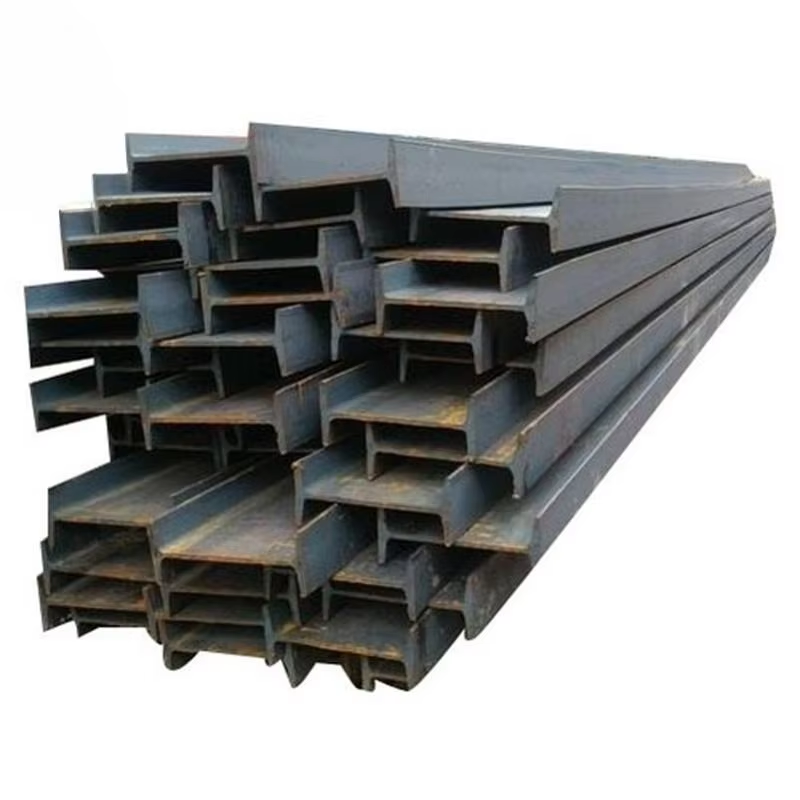
W Beam for Large-Scale Infrastructure Projects
W beam guardrails form the backbone of modern highway safety systems due to their structural efficiency, proven performance, and adaptability across massive infrastructure programs. Standardized components and modular engineering enable rapid deployment across thousands of miles of national networks—critical for meeting tight construction timelines while minimizing traffic disruptions.
Modular Design and Rapid Deployment Across National Highway Networks
Highway workers can put up W beam barriers twice as fast compared to old school concrete options thanks to those clever interlocking pieces. These prefabricated panels come in standard 12.5 foot lengths with matching bolts all across them, so crews just snap them together with regular tools. Labor bills drop around 30% too, which was actually seen during recent work on Germany's Autobahn system. And when something gets damaged down the road? No big deal. Just swap out the broken section in a few hours instead of waiting days for everything to be fixed. That means roads stay protected even while repairs happen, and drivers don't have to deal with those annoying full lane closures that slow traffic to a crawl.
Standardization and Scalability: FHWA, MASH-2016, and Bharatmala Compliance
Following rules set by the Federal Highway Administration (FHWA) along with guidelines from the Manual for Assessing Safety Hardware (MASH-2016) helps maintain similar crash protection standards throughout different regions. Standardizing these requirements makes it easier to work on big projects such as India's massive highway expansion called Bharatmala Pariyojana. This initiative covers around 53 thousand miles worth of new roads and road improvements that all need matching safety equipment to function properly together. What really stands out about W beams is how they can be used almost anywhere - whether it's busy city intersections or isolated mountain routes. They handle various weight loads quite well too, resisting impacts of up to 200,000 pounds per section when needed.
Road Safety Performance of W Beam Guardrail Systems
The W beam guardrail system is pretty good at dissipating energy during collisions, which means crashes on fast roads aren't quite as severe as they could be. When hit, the corrugated steel bends in predictable ways, turning all that kinetic energy into manageable deformation while keeping forces on people inside cars under dangerous levels. The angles where the rails connect are designed specifically to redirect vehicles away from things like bridge supports, steep drop-offs, or other lanes of traffic coming the opposite direction. Tests have shown these systems cut down frontal impact forces by around 40 percent when compared with solid barriers. That's why transportation departments keep installing them across highways everywhere they want to improve road safety for drivers.
Crash Energy Absorption and Vehicle Redirection Mechanics
When cars crash into it, the open channel W shape acts kind of like an accordion, slowly collapsing as force builds up so the stopping process takes longer. The steel posts break at specific points designed by engineers, which actually lowers how high the car sits when it hits. Meanwhile, those little bolts inside keep everything connected even as the barrier bends and twists. What this setup does is stop cars from going through the barrier more than about three feet deep, even if they're going 65 miles per hour straight on. Plus, the way it works creates turning forces that push most vehicles back towards where they came from at angles below 25 degrees. Made primarily out of 12 gauge galvanized steel, sometimes with extra protective coatings applied, these systems handle both super cold days down to minus 40 degrees Fahrenheit and blistering heat up to 120 without losing their effectiveness. They also fight off rust problems that might otherwise make them brittle and less able to absorb crash energy properly.
Certified Safety Ratings: NCHRP 350 vs. MASH-2016 Testing Protocols
The standards for safety certification have changed quite a bit since the old NCHRP Report 350 days. Back then they were testing impacts at speeds up to 62 miles per hour with what was basically a 2,400 pound pickup truck. But now with MASH-2016, things are much tougher. The new standard requires testing at 70 mph speeds using a heavier 5,000 pound SUV plus there's this 5 degree angle factor thrown in. This actually makes sense when we think about modern vehicles and how crashes really happen these days. Products certified under just the old NCHRP 350 standard tend to roll over 35 percent more often when put through MASH-2016 tests. That kind of gap shows why upgrading matters so much. For those W beam systems that pass the MASH-2016 TL-4 rating though? They work great at containing big rigs traveling at highway speeds. These kinds of systems are absolutely necessary in places where accidents could be catastrophic like highway interchanges, toll booths, and those raised road sections.
Context-Optimized W Beam Applications on High-Risk Roadways
Bridge Abutments, Median Barriers, and Blind Curve Installations
W beam guardrails get placed at locations where specific dangers call for carefully designed protection. When installed near bridge ends, these barriers soak up sideways crash force and stop cars from hitting solid structures directly, cutting the seriousness of collisions by around 70 percent. For separating traffic in the middle of roads, the wavy shape helps steer vehicles back onto their own side with almost no penetration if set according to MASH standards from 2016. Around curves where drivers can't see well, especially mountains or foggy areas, some setups mix strong steel cables with regular W beam posts. This keeps visibility good while still stopping accidents, leading to about half fewer deadly crashes off roadways. These flexible applications allow W beam systems to work in tough environments too. Coastal regions need extra rust protection, and places prone to snow slides require stronger designs. Despite all these variations, the systems still maintain consistent safety performance across the country.
FAQ Section
What makes W beam guardrails fundamental in highway safety?
W beam guardrails are crucial due to their structural efficiency, modular design, rapid deployment, and adaptability, which improve highway safety with minimal traffic disruptions.
How do W beams improve road safety during collisions?
The corrugated steel of W beams bends predictably during impacts, dissipating energy and reducing crash severity by redirecting vehicles away from hazardous zones.
What are the advantages of W beam systems in different climates?
W beam systems perform well in diverse weather conditions, resisting super cold temperatures and extreme heat without losing effectiveness, while also mitigating rust.