
 EN
EN
 AR
AR
 HR
HR
 CS
CS
 DA
DA
 NL
NL
 FI
FI
 FR
FR
 DE
DE
 EL
EL
 IT
IT
 JA
JA
 KO
KO
 NO
NO
 PL
PL
 PT
PT
 RU
RU
 ES
ES
 TL
TL
 ID
ID
 SR
SR
 SK
SK
 UK
UK
 VI
VI
 SQ
SQ
 HU
HU
 MT
MT
 TH
TH
 TR
TR
 FA
FA
 MS
MS
 MK
MK
 HY
HY
 AZ
AZ
 KM
KM
 LA
LA
 MN
MN
 MY
MY
 KK
KK
 UZ
UZ

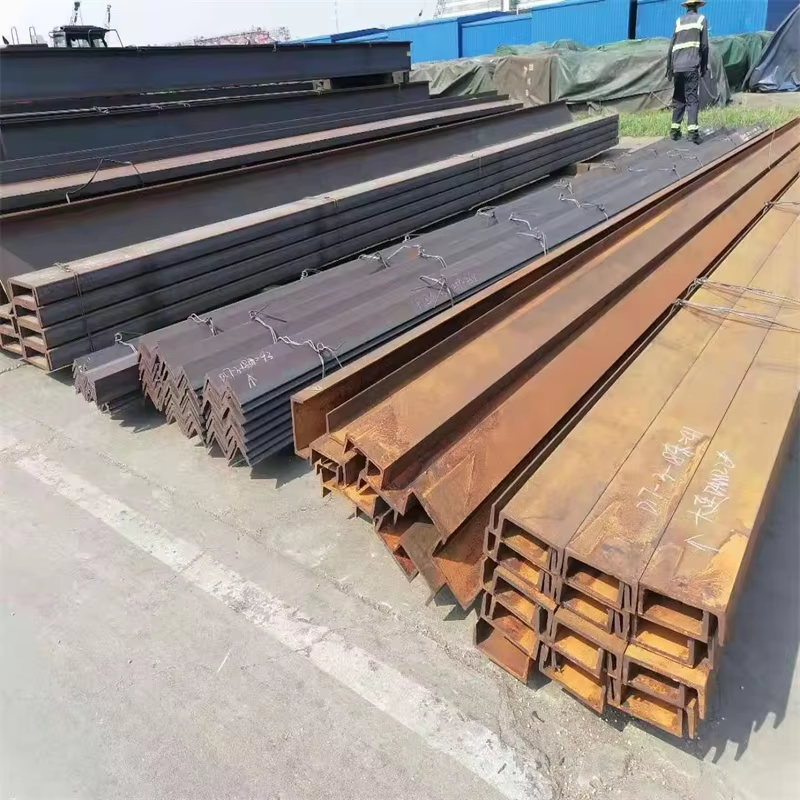
As a specialist at Rarlon, I have spent years navigating the intense heat of steel mills and the precision of structural engineering. Producing a hot rolled h beam isn't just about melting metal; it is a sophisticated dance of metallurgy and mechanical force. The H-beam, often called the "Universal Beam," is the backbone of modern infrastructure, from skyscrapers to massive bridges. Understanding its production process helps engineers and buyers appreciate why this specific shape offers such a superior strength-to-weight ratio compared to standard I-beams.
Selecting the Right Raw Materials for Strength
The journey of a hot rolled h beam begins long before it hits the rollers. At Rarlon, we emphasize that the quality of the finished beam is dictated by the chemical composition of the raw steel. Typically, we start with high-quality steel billets or blooms, often following international standards like ASTM A36 or GB/T 700. The steel must have a precise balance of carbon, manganese, and silicon to ensure weldability and tensile strength. From my experience on the floor, if the scrap steel or iron ore used in the initial melting phase isn't purified correctly in the Basic Oxygen Furnace (BOF) or Electric Arc Furnace (EAF), the resulting H-beam may suffer from internal flaws that compromise structural integrity.
The Reheating Process and Precise Temperature Control
Before any shaping occurs, the steel bloom must be heated to a state of plastic deformation. This happens in a massive reheating furnace where temperatures typically soar to between 1,100°C and 1,250°C. In my years of supervising these runs, I’ve learned that "uniformity" is the golden rule. If the core of the steel is cooler than the surface, the beam will warp during the rolling process. Achieving this perfect thermal equilibrium ensures that the hot rolled h beam can be elongated and shaped without cracking. This stage is critical for the "Hot Rolled" designation, as working the metal above its recrystallization temperature allows for massive structural changes without increasing internal stress.
Breakdown Rolling and Forming the H-Shape
Once the bloom is white-hot, it enters the breakdown mill. This is where the magic happens. Large rollers exert immense pressure to reduce the thickness of the bloom and begin "squeezing" the metal into a rough H-shape. Unlike standard I-beams, which have tapered flanges, the hot rolled h beam is characterized by its wide, parallel flanges. According to industry standards (and our technical specifications at Rarlon), this shape requires a specialized rolling technique where the web and the flanges are worked simultaneously. This ensures that the grain structure of the steel flows continuously from the web into the flanges, which is exactly why H-beams are so much better at resisting torsion and bending.
Universal Rolling Mills and Dimensional Accuracy
The most critical technical phase involves the Universal Rolling Mill. Unlike traditional mills, a universal mill uses both horizontal and vertical rolls to press all four sides of the beam at once. This allows us to produce H-beams with wide flanges and varying thicknesses—specifications that are vital for heavy-duty construction. For instance, our production lines focus on maintaining the strict tolerances required for deep-foundation projects. During this phase, we constantly monitor the thickness of the web and the width of the flanges. The hot rolled h beam must meet exact geometrical dimensions to ensure that when it reaches a construction site, every bolt hole aligns perfectly with the rest of the steel frame.
Cooling, Straightening, and Quality Inspection
After the final pass through the finishing mill, the H-beams are moved to a cooling bed. However, cooling isn't just about letting them sit; uneven cooling can cause the beam to bow. Once the hot rolled h beam reaches ambient temperature, it often undergoes a "cold straightening" process through a series of staggered rollers to ensure it is perfectly linear. At Rarlon, our trustworthiness is built on our inspection phase. We conduct ultrasonic testing and visual inspections to check for surface scales or internal voids. Following the ASTM or EN standards ensures that the yield strength and elongation percentages match the mill test certificates provided to our clients.
Why the Hot Rolling Process Matters for Users
You might wonder why we don't just weld three plates together to make an H-shape. While "welded H-beams" exist, the hot rolled h beam produced through the rolling process is vastly superior for structural loads. Because it is a single piece of metal with a continuous grain structure, there are no "heat-affected zones" from welding that could act as weak points. This makes the hot-rolled variety the preferred choice for seismic zones and high-rise buildings. As we always tell our partners at Rarlon, investing in a high-quality hot-rolled product reduces long-term maintenance costs and provides a level of safety that fabricated sections simply cannot match.