
 EN
EN
 AR
AR
 HR
HR
 CS
CS
 DA
DA
 NL
NL
 FI
FI
 FR
FR
 DE
DE
 EL
EL
 IT
IT
 JA
JA
 KO
KO
 NO
NO
 PL
PL
 PT
PT
 RU
RU
 ES
ES
 TL
TL
 ID
ID
 SR
SR
 SK
SK
 UK
UK
 VI
VI
 SQ
SQ
 HU
HU
 MT
MT
 TH
TH
 TR
TR
 FA
FA
 MS
MS
 MK
MK
 HY
HY
 AZ
AZ
 KM
KM
 LA
LA
 MN
MN
 MY
MY
 KK
KK
 UZ
UZ

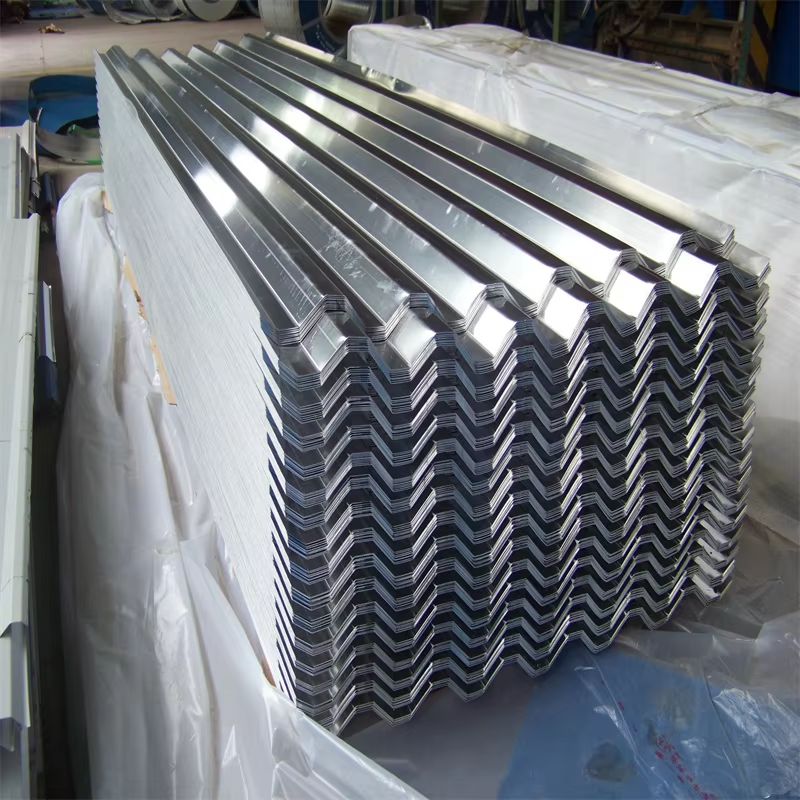
Choosing the right steel W beam, also known as a Wide Flange beam, is a critical decision that impacts the structural integrity, safety, and cost-efficiency of your construction project. Whether you are working on a commercial warehouse, a residential frame, or an industrial support structure, understanding the technical specifications and application requirements is essential. This guide leverages industry expertise to help you navigate the selection process effectively.
Understanding the Geometry and Design of W Beams
The "W" in W beam stands for "Wide Flange." Unlike the traditional I-beam (S-beam), which has tapered flanges, a W beam features inner and outer flange surfaces that are essentially parallel. This design provides a higher moment of inertia, making it exceptionally efficient at resisting bending loads. When you are looking to choose a steel w beam, the first step is understanding the nomenclature, such as W12x26. In this example, "12" represents the nominal depth in inches, and "26" represents the weight per linear foot in pounds. Selecting the correct depth and weight is not just about size; it is about ensuring the beam can handle the specific load-bearing requirements of your span without excessive deflection.
Material Grade and Structural Integrity
Not all steel is created equal. Most W beams are manufactured from high-strength low-alloy (HSLA) steel, commonly ASTM A992 or A572 Grade 50. These grades offer an excellent strength-to-weight ratio and improved weldability. When reviewing products at Rarlon Steel, you will notice a commitment to meeting international standards such as ASTM, JIS, and EN. Choosing a beam with a yield strength of 50,000 psi (345 MPa) ensures that the structure remains stable under heavy stress. Always verify the Mill Test Certificate (MTC) to ensure the chemical composition and mechanical properties align with your engineering specifications. Transparency in material sourcing is a cornerstone of a trustworthy procurement process.
Assessing Load Capacity and Span Requirements
The primary function of a steel w beam is to support loads over a distance. To choose correctly, you must calculate the total load, including "dead loads" (the weight of the structure itself) and "live loads" (moving weights like people, machinery, or snow). Engineering experts often cite the importance of the L/360 rule for deflection, where the beam should not bend more than the length of the span divided by 360. If your project involves long spans with heavy concentrated loads, a deeper W beam is generally more efficient than a shallow, heavier one. Consult the load tables provided by the manufacturer to match your span length with the allowable total load to prevent structural failure.
Environmental Considerations and Surface Treatments
The longevity of your steel structure depends heavily on its resistance to environmental factors. Steel is susceptible to oxidation and corrosion, especially in humid or coastal environments. When selecting your steel w beam, consider the finish. Common options include black (untreated), primed, or hot-dip galvanized. Galvanization provides a thick layer of zinc that protects the steel from rust for decades. In industrial settings where chemical exposure is a risk, specialized epoxy coatings may be necessary. Choosing the right protection at the outset reduces maintenance costs and extends the lifecycle of the building, providing long-term practical value.
Practical Installation and Connection Methods
How the beam integrates into the rest of the structure is often overlooked during the selection phase. W beams are versatile because their wide flanges provide an ample surface for bolting or welding connections. If your project requires complex joints or multi-story framing, the thickness of the flange and web becomes a vital parameter. Thicker webs provide better resistance to "web crippling" at the points where the beam rests on a column. Our experience in supplying structural steel highlights that coordinating the beam dimensions with the connection hardware (like gusset plates and high-strength bolts) saves significant time and labor costs during the on-site assembly phase.
Verification of Standards and Quality Control
Trustworthiness in the steel industry is built on rigorous testing and adherence to global benchmarks. Before finalizing your order, ensure the supplier complies with ISO 9001 quality management systems. At Rarlon Steel, products undergo strict inspection processes to ensure dimensional accuracy, including flange width, web thickness, and overall straightness. A steel w beam that is slightly out of square can lead to alignment issues across the entire frame. Demand transparency regarding the manufacturing process and ensure that the products are sourced from reputable mills that prioritize environmental sustainability and structural consistency.