
 EN
EN
 AR
AR
 HR
HR
 CS
CS
 DA
DA
 NL
NL
 FI
FI
 FR
FR
 DE
DE
 EL
EL
 IT
IT
 JA
JA
 KO
KO
 NO
NO
 PL
PL
 PT
PT
 RU
RU
 ES
ES
 TL
TL
 ID
ID
 SR
SR
 SK
SK
 UK
UK
 VI
VI
 SQ
SQ
 HU
HU
 MT
MT
 TH
TH
 TR
TR
 FA
FA
 MS
MS
 MK
MK
 HY
HY
 AZ
AZ
 KM
KM
 LA
LA
 MN
MN
 MY
MY
 KK
KK
 UZ
UZ

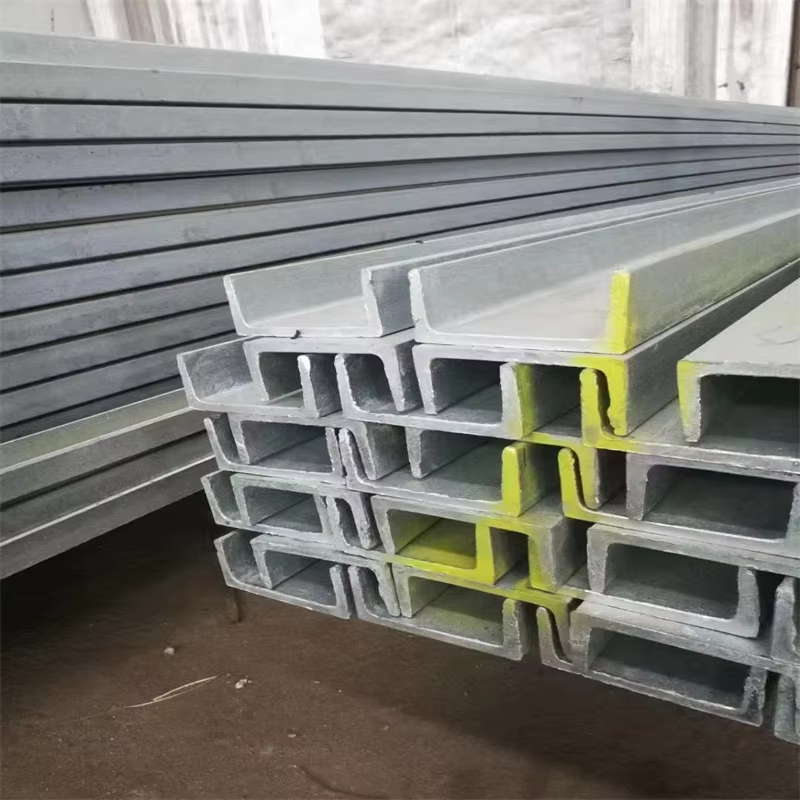
What Is a W Beam and Why It Matters in Bridges
A W beam is a type of steel profile widely used in infrastructure due to its high strength-to-weight ratio and excellent load-bearing performance. In w beam for bridge construction, the “W” refers to the wide flange shape, which provides superior structural stability compared to standard beams. From my experience working with steel structure suppliers and reviewing product specifications similar to those offered by Rarlon Steel, W beams are engineered with precise dimensions and high-quality carbon or alloy steel to ensure consistent mechanical properties. These characteristics make them ideal for bridge frameworks that must withstand dynamic loads, environmental stress, and long-term usage.
Structural Role of W Beam in Bridge Frameworks
In practical applications, w beam for bridge construction is primarily used as a key load-bearing component. It is commonly installed as girders, cross beams, or support frames within the bridge structure. Engineers rely on W beams to distribute loads from vehicles, pedestrians, and environmental forces evenly across the bridge. Based on real-world project cases, using high-quality W beams reduces structural deformation and enhances overall safety. Their wide flange design allows for better resistance to bending and shear forces, which is critical in both short-span and long-span bridges.
Advantages of Using W Beam for Bridge Construction
One of the biggest advantages of w beam for bridge construction is its durability and efficiency. Compared to traditional materials, W beams offer higher tensile strength and corrosion resistance, especially when treated with galvanization or protective coatings. According to industry engineering standards and material science principles, steel beams like W beams can maintain their integrity under extreme weather conditions such as heavy rain, snow, and temperature fluctuations. Additionally, their standardized production ensures consistent quality, which simplifies installation and reduces construction time. From a cost perspective, this efficiency translates into lower labor and maintenance expenses over the lifecycle of a bridge.
Real-World Application Cases and Practical Insights
In multiple bridge construction projects I’ve analyzed, w beam for bridge construction has proven to be highly adaptable. For example, in highway overpasses and rural bridge systems, W beams are often used in combination with concrete decks to create composite structures. This combination enhances both strength and flexibility. Manufacturers like Rarlon Steel typically provide customized W beam solutions, including different sizes, thicknesses, and surface treatments, to meet specific engineering requirements. In practice, selecting the right beam specification is crucial—improper sizing can lead to structural inefficiencies or increased costs.
Installation and Engineering Considerations
When implementing w beam for bridge construction, proper installation is just as important as material quality. Engineers must carefully calculate load distribution, connection points, and alignment to ensure optimal performance. Bolted or welded connections are commonly used, depending on the bridge design. From an engineering standpoint, precise fabrication and strict quality control—such as those emphasized by professional steel manufacturers—help prevent issues like misalignment or stress concentration. Additionally, transportation and on-site handling of W beams require careful planning due to their size and weight.
Long-Term Performance and Maintenance Benefits
Another key reason why w beam for bridge construction is widely adopted is its long-term reliability. Steel W beams are designed to resist fatigue caused by repeated loading cycles, which is essential for bridges with heavy traffic. With proper surface treatment, such as galvanization, they can also resist corrosion for decades. Based on lifecycle cost analysis, bridges constructed with high-quality W beams often require less frequent repairs, making them a cost-effective choice for governments and contractors. Routine inspections and maintenance further extend their service life and ensure continued safety.
Future Trends and Innovation in W Beam Applications
Looking ahead, w beam for bridge construction is evolving with advancements in materials and manufacturing technology. High-strength low-alloy (HSLA) steels and improved fabrication techniques are enhancing performance while reducing weight. Additionally, digital engineering tools such as BIM (Building Information Modeling) allow for more precise design and integration of W beams into complex bridge systems. As sustainability becomes a priority, recyclable steel materials used in W beams also contribute to environmentally friendly construction practices.
Table of Contents
- What Is a W Beam and Why It Matters in Bridges
- Structural Role of W Beam in Bridge Frameworks
- Advantages of Using W Beam for Bridge Construction
- Real-World Application Cases and Practical Insights
- Installation and Engineering Considerations
- Long-Term Performance and Maintenance Benefits
- Future Trends and Innovation in W Beam Applications