
 EN
EN
 AR
AR
 HR
HR
 CS
CS
 DA
DA
 NL
NL
 FI
FI
 FR
FR
 DE
DE
 EL
EL
 IT
IT
 JA
JA
 KO
KO
 NO
NO
 PL
PL
 PT
PT
 RU
RU
 ES
ES
 TL
TL
 ID
ID
 SR
SR
 SK
SK
 UK
UK
 VI
VI
 SQ
SQ
 HU
HU
 MT
MT
 TH
TH
 TR
TR
 FA
FA
 MS
MS
 MK
MK
 HY
HY
 AZ
AZ
 KM
KM
 LA
LA
 MN
MN
 MY
MY
 KK
KK
 UZ
UZ

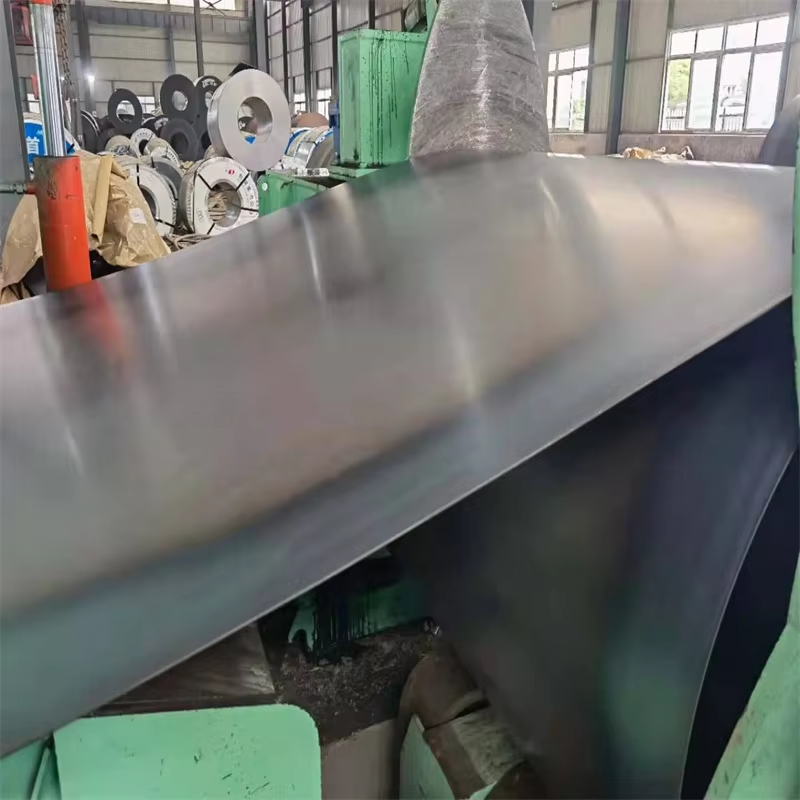
In the global industrial supply chain, selecting the right partner for raw materials is not just a procurement decision; it is a strategic move that dictates the structural integrity and cost-efficiency of your entire project. Hot rolled steel, produced through a milling process where the steel is rolled at temperatures above its recrystallization point (typically over 1700°F), serves as the backbone for construction, shipbuilding, and heavy machinery. However, the market is saturated with various hot rolled steel manufacturers, ranging from small-scale local mills to massive international conglomerates. Navigating this landscape requires a sophisticated evaluation framework that prioritizes quality, technical transparency, and logistical reliability to ensure your investment yields high-performance results.
Assessing Technical Production Capabilities and Mill Infrastructure
The first step in evaluating hot rolled steel manufacturers is a deep dive into their technical infrastructure and production capacity. High-quality hot rolling requires precise temperature control and advanced rolling mill technology to ensure uniform thickness and mechanical properties across the entire coil or plate. When vetting a supplier, look for their ability to handle various grades, such as ASTM A36 or S235JR, and their range of dimensions. A manufacturer with state-of-the-art automated cooling systems and precision leveling equipment can offer better flatness and fewer surface defects. During my years of consulting for infrastructure projects, I’ve found that the best manufacturers are those who can provide detailed "Mill Test Certificates" (MTC) that match the specific heat number of the batch, proving they have the technical discipline to meet rigorous international standards.
Verifying Quality Certifications and International Standards Compliance
Expertise in steel production is meaningless without the "Authoritativeness" of third-party certifications. Reliable hot rolled steel manufacturers must operate under ISO 9001 quality management systems at a minimum. For specific industries like automotive or maritime, look for TS16949 or certifications from classification societies like ABS (American Bureau of Shipping) or DNV. These credentials act as a proxy for trust, indicating that the mill undergoes regular audits and adheres to standardized safety and quality protocols. Furthermore, check if their products comply with regional standards like EN (European), ASTM (American), or JIS (Japanese). In a recent case study involving a bridge construction project, switching to a manufacturer with verified CE marking reduced the material rejection rate by 15%, highlighting the practical value of institutional oversight.
Evaluating Raw Material Sourcing and Chemical Composition Control
The "Expertise" of a manufacturer is often hidden in how they manage their chemistry. Hot rolled steel's weldability and ductility are determined by its chemical makeup—specifically the carbon, manganese, and silicon content. Top-tier hot rolled steel manufacturers maintain strict control over impurities like phosphorus and sulfur, which can cause brittleness. Transparency in the sourcing of iron ore or recycled scrap is a hallmark of a trustworthy supplier. Ask potential manufacturers about their deoxidation processes—whether they produce "killed steel" for maximum uniformity. A manufacturer that can explain the subtle nuances of their chemical alloying to meet your specific environmental conditions (such as anti-corrosion requirements for coastal projects) demonstrates a level of professional depth that generic traders simply cannot provide.
Inspecting Surface Quality and Dimensional Tolerances
While hot rolled steel is known for its scaled finish (mill scale), the consistency of this surface matters for downstream processes like pickling, painting, or galvanizing. When evaluating hot rolled steel manufacturers, examine their tolerances for thickness, width, and "camber" (the deviation of a side edge from a straight line). Manufacturers that utilize laser-based measurement systems during the rolling process provide much tighter tolerances than those relying on manual checks. In my practical experience visiting mills in Southeast Asia and China, the difference between a "B-grade" and "A-grade" manufacturer often comes down to their finishing lines. A mill that takes the extra step to ensure clean edges and minimal "pitting" saves the end-user significant labor costs in surface preparation.
Analyzing Supply Chain Logistics and Lead Time Reliability
Trustworthiness is built on the ability to deliver the right product at the right time. Even the highest-quality steel is a liability if it arrives late to a construction site. Evaluate hot rolled steel manufacturers based on their proximity to major shipping ports and their relationships with international logistics providers. A professional manufacturer should offer transparent tracking and realistic lead times, especially in a volatile market. Furthermore, consider their packaging standards; hot rolled coils are heavy and prone to "telescoping" or moisture damage during sea transit. Suppliers who use heavy-duty steel strapping and moisture-resistant wrapping demonstrate that they value the integrity of the product until it reaches your warehouse.
Reviewing Environmental Responsibility and Sustainability Practices
As global regulations tighten, the "E" in EEAT also extends to Environmental impact. Leading hot rolled steel manufacturers are now investing in "Green Steel" initiatives, such as using Electric Arc Furnaces (EAF) which have a lower carbon footprint compared to traditional Blast Furnaces. Evaluating a manufacturer’s energy consumption per ton of steel produced and their waste recycling programs is increasingly important for corporate ESG (Environmental, Social, and Governance) compliance. Choosing a partner committed to sustainability not only protects the environment but also future-proofs your supply chain against upcoming carbon taxes and "green" procurement requirements. A manufacturer that is transparent about its emissions data is a manufacturer that is prepared for the future of global industry.
Table of Contents
- Assessing Technical Production Capabilities and Mill Infrastructure
- Verifying Quality Certifications and International Standards Compliance
- Evaluating Raw Material Sourcing and Chemical Composition Control
- Inspecting Surface Quality and Dimensional Tolerances
- Analyzing Supply Chain Logistics and Lead Time Reliability
- Reviewing Environmental Responsibility and Sustainability Practices