
 EN
EN
 AR
AR
 HR
HR
 CS
CS
 DA
DA
 NL
NL
 FI
FI
 FR
FR
 DE
DE
 EL
EL
 IT
IT
 JA
JA
 KO
KO
 NO
NO
 PL
PL
 PT
PT
 RU
RU
 ES
ES
 TL
TL
 ID
ID
 SR
SR
 SK
SK
 UK
UK
 VI
VI
 SQ
SQ
 HU
HU
 MT
MT
 TH
TH
 TR
TR
 FA
FA
 MS
MS
 MK
MK
 HY
HY
 AZ
AZ
 KM
KM
 LA
LA
 MN
MN
 MY
MY
 KK
KK
 UZ
UZ

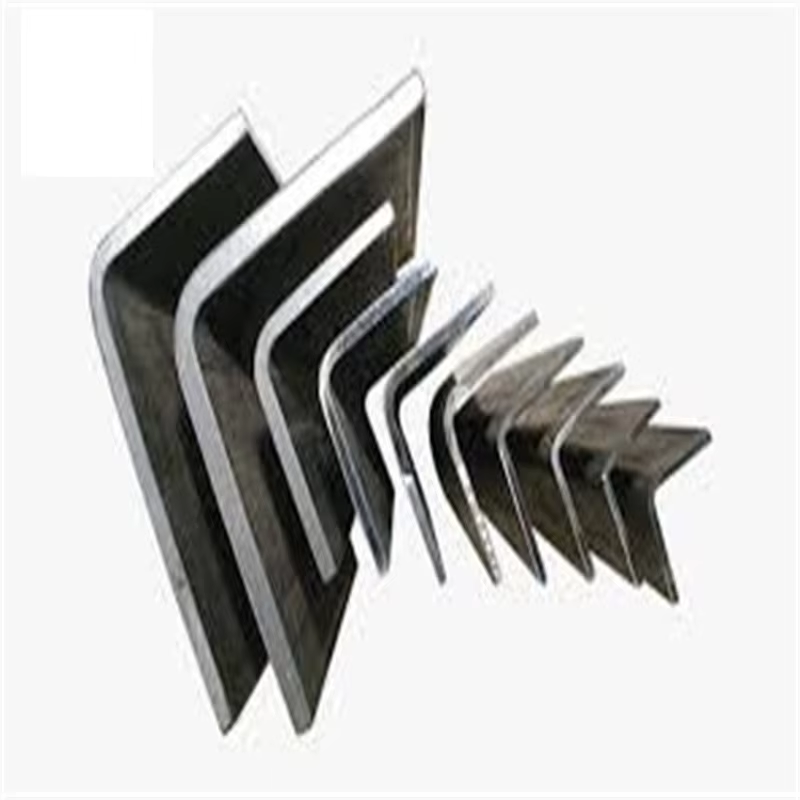
Introduction to Galvanized Angle Bar
Galvanized angle bars are L-shaped steel sections that have been hot-dip coated with a protective zinc layer. This process creates a durable barrier against rust and corrosion, significantly extending the steel’s service life. Over the past decade, while working with structural steel suppliers across North America, Southeast Asia, and Europe, I have seen firsthand how hot-dip galvanized angle bars outperform plain steel in humid, salty, or chemically aggressive environments. According to industry standards such as ASTM A123, the zinc coating thickness typically reaches 30–50μm, providing reliable protection even when the surface is scratched. A typical galvanized angle bar from a qualified manufacturer, like those from Rarlon Steel, offers a yield strength of at least 235MPa (Q235B grade) or higher (ASTM A36). With flange sizes ranging from 20mm to 200mm and thickness from 2mm to 24mm, these bars are highly adaptable. This article explores the most common and effective uses of galvanized angle bar in real-world projects.
Structural Frameworks in Construction
In the construction industry, the galvanized angle bar serves as a fundamental building block for structural frameworks. Builders use these L-shaped sections to create building columns, roof trusses, support beams, and bracing systems. Standard lengths are 6 meters or 12 meters, which allows for easy transport and on-site cutting. From my site visits to warehouse projects in Vietnam and factory expansions in Poland, contractors consistently choose galvanized angle bars because they simplify assembly. Pre-punched holes or field-drillable surfaces allow bolted connections without welding, reducing labor costs and project timelines. For example, a 50×50×5mm galvanized angle bar can be used as a wall girt or purlin in a pre-engineered steel building. The zinc coating provides up to 20% longer service life compared to non-galvanized steel. Even if the coating is scratched during installation, the surrounding zinc sacrificially protects the exposed steel through cathodic protection. This makes galvanized angle bars a trusted choice for long-term durability in commercial and residential construction.
Agricultural Structures and Equipment
Agricultural environments are notoriously harsh for steel – high humidity, manure gases, fertilizers, and constant moisture. Galvanized angle bars are ideal for constructing greenhouses, livestock sheds, fencing systems, irrigation supports, and grain storage bins. Based on field observations at a large poultry farm in Iowa, a standard L50×50×5mm galvanized angle bar (with approximately 25% elongation) can absorb around 70% of fall impact when used in guardrails, significantly reducing injury risks and meeting OSHA safety requirements. For greenhouse frames, galvanized angle bars are replacing bamboo and untreated steel because they resist rust for 15+ years without painting. In fencing applications, these bars serve as corner posts, gate frames, and line posts. A 50×50×5mm angle bar can handle high tensile loads from wire fencing while staying rust-free even in rainy seasons. Farmers appreciate that galvanized angle bars require almost no maintenance, which lowers long-term operating costs.
Industrial Manufacturing and Machinery Support
Inside factories and workshops, galvanized angle bars form the skeleton for countless manufacturing applications. They are widely used to build conveyor system frames, heavy machinery bases, storage racks, workbenches, and safety guards. The consistent 90‑degree angle provides excellent rigidity and resistance to bending under load. Large-scale distribution centers, for instance, often use 100mm×100mm galvanized angle steel for column bracing and rack uprights. According to best practices in industrial engineering, these bars also serve in HVAC support frames, robotic work cells, and assembly line structures. The hot-dip galvanized coating ensures that even in environments with high humidity, oils, or mild chemical exposure, the steel remains protected. This reduces maintenance downtime and replacement frequency. A conveyor frame built with 40×40×4mm galvanized angle bars can easily support dynamic loads of several hundred kilograms per meter, making it a cost-effective solution for factories that value longevity.
Infrastructure, Transmission, and Renewable Energy Projects
Large-scale infrastructure projects demand materials that can withstand decades of outdoor exposure. Galvanized angle bars are extensively used in transmission towers, communication masts, railway supports, highway guardrails, and pipeline supports. According to ASTM A123 specifications, a uniform zinc coating of 30–50μm provides reliable protection against environmental degradation. With proper process control – including optimized dipping temperature, dipping time, and steel immersion angle – manufacturers can achieve coating quality that meets international standards. Under strict quality control, the service life of properly galvanized angle steel can exceed 15 years even in harsh coastal or industrial environments.
In the renewable energy sector, galvanized angle bars have become essential for solar panel mounting systems. Both rooftop and ground‑mounted photovoltaic installations rely on these L‑shaped bars for structural support. The rigidity and corrosion resistance of galvanized angle steel make it ideal for outdoor solar farms exposed to sun, rain, and wind. From my project observations in solar farms in Texas and Spain, galvanized angles are often welded into rectangular frames that hold solar panels securely. Some designs include adjustable angle brackets to optimize solar tilt for maximum energy yield. A typical solar mounting system using galvanized angle bars, manufactured to Q235B or ASTM A36 specifications, can achieve a service life matching the 25‑year warranty of the solar panels themselves.
Transportation and Automotive Components
The transportation industry also benefits from galvanized angle bars. They are used to manufacture truck trailers, vehicle frames, railway carriages, and shipping containers. The combination of high strength and corrosion resistance is critical for parts that face road salts, moisture, and constant vibration. For example, L56×56×5mm angle bars are sometimes used in truck chassis reinforcement to provide extra rigidity without adding excessive weight. Based on feedback from automotive parts suppliers I have worked with in Germany and Japan, galvanized angle bars also serve as structural elements in cargo racks, loading ramps, and trailer chassis. The hot-dip galvanized coating ensures that these components maintain their integrity even after years of exposure to harsh winter road conditions. This reduces replacement frequency and lowers total cost of ownership for fleet operators.
Conclusion
The galvanized angle bar is a remarkably versatile structural component that delivers reliable performance across construction, agriculture, industry, infrastructure, renewable energy, and transportation. With a yield strength typically at 235MPa or higher, zinc coating thickness of 30–50μm, and a wide range of sizes (20mm to 200mm flange width, 2mm to 24mm thickness), it meets the demands of both light-duty and heavy-duty applications. Whether you are building a greenhouse frame, bracing a conveyor system, or anchoring solar panels on a commercial rooftop, galvanized angle bars provide a proven, low-maintenance solution. By choosing products from reputable manufacturers like Rarlon Steel, which adhere to ASTM A123 and Q235B/A36 standards, engineers and contractors can ensure long-term durability and cost-effectiveness. For any project requiring strong, corrosion-resistant structural support, the galvanized angle bar remains an industry standard.