
 EN
EN
 AR
AR
 HR
HR
 CS
CS
 DA
DA
 NL
NL
 FI
FI
 FR
FR
 DE
DE
 EL
EL
 IT
IT
 JA
JA
 KO
KO
 NO
NO
 PL
PL
 PT
PT
 RU
RU
 ES
ES
 TL
TL
 ID
ID
 SR
SR
 SK
SK
 UK
UK
 VI
VI
 SQ
SQ
 HU
HU
 MT
MT
 TH
TH
 TR
TR
 FA
FA
 MS
MS
 MK
MK
 HY
HY
 AZ
AZ
 KM
KM
 LA
LA
 MN
MN
 MY
MY
 KK
KK
 UZ
UZ

What Capacity Do W Beams with High Load Bearing Have?
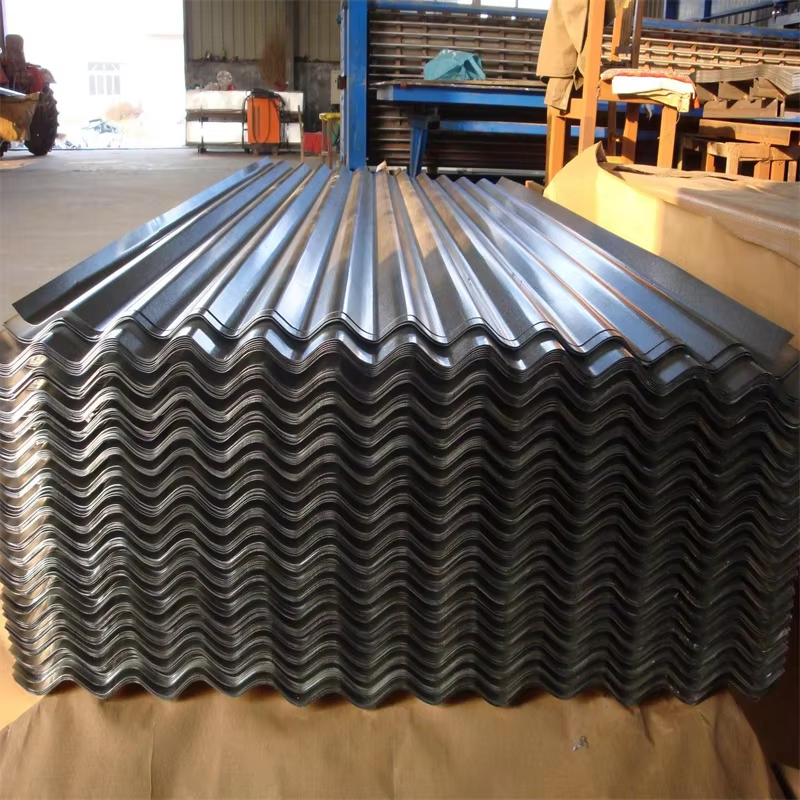
Reinforced with high load bearing capacity W Beams is one of the main elements in the superstructures of Guardrails, Protective Barricades, and Infrastructure Protection Systems. After working with a number of Steel Structure Suppliers and reviewing the specifications of W Beams from manufacturers such as Rarlon Steel, it became clear to me the main feature of such Beams is Impact Force. Injuries of the automobile and the infrastructure are reduced, given the Absorption and Energy Redirecting Characteristics of W Beams. There is a high load bearing capacity W Beam, and with it, it is not the main criterion placed on it, except for the beam itself, but the Grade of Steel, the Thickness of the Beam, and the international Standards and Specifications that are met in relation to it.
Actual Application and Performance
In a number of cases in the field, particularly in highway construction, the Guardrail Systems utilising High Load Bearing Capacity W Beams have offered a High Level of Protection. These Beams are particularly useful in high-speed road sections. These beams are first in line for preventing vehicles from leaving the road. Alarmingly, the Use of Quality and Quantity of High Impact Steel Beams, in Proper Width and Galvanization, have withstood Impact Forces over time, and retained their integrity. Therefore, the Beams are well suited for areas with high traffic and environmental changes to guarantee the desired performance.
Factors of Manufacturing and Materials of Load Bearing Strength
The load-bearing capacity of W beams depends on the kind of steel used to manufacture the beam, the thickness of the beam, and the load-bearing capacity. Steel of higher quality would yield more tensile strength and flexibility for better impact resistance. Aside from steel, the roll-forming techniques may also help in how uniform the beam retains its shape and thickness, also contributing to the beam's performance. Galvanization, in particular, is also essential in how it contributes to the corrosion resistance of a beam. Corrosion will help the beam maintain the load-bearing capacity it has for years. Of all the factors to consider, it is best to choose beams that fit the standard industrial practice.
Standards and Recommendations Compliance
The Steel Manufacturers and Road Safety Authorities all agree on the importance of standards and regulations like the AASHTO or EN standards. In your best interests, we recommend to your professionals a W beam that falls within certain standards and has high load-bearing capacity. This guarantees safety and ensures all systems are supportive and will work well with the existing ones. When professional recommendations are fused with standards, it is better to refrain from document validation or engineering certifications. This indicates a sign of trust in manufacturers’ reasonable quality and safety standards.
Cost-effectiveness and long-term value
Considering numerous life-cycle cost analyses carried out, W beams with a large load bearing capacity may cost more initially, but save more in the long run. Out of the costs incurred with operations, maintenance, and disruptions during the service cycle of a beam, the costs related to repeat impacts and associated operational disruptions are the ones to watch. W beams with large load bearing capacities remain operationally out-of-pocket costs as of in factory service of are the most reasonable. Construction executives and planners watch and are interested in the cost-effectiveness of enduring beams.
Ease of installation and compatibility
The easy installation of W beam systems at locations with large and high-load traversing traffic is another consideration. The W beam systems are pre-engineered and compatible with post systems and connectors. This pre-engineering enhances the accuracy of the installation and reduces the time the beams are installed and operational. Once the W beams are set no deterioration of the installations occurs if and once done. Deterioration of beam installations occurs when traffic is interrupted on frequent high-attended road areas, and quick installations replace poor sections in such locations.
Environmental resistance and durability
The most relevant deterioration of the service and performance of W beams with a large load bearing capacity is the condition of construction and road crossings and terrain and the exposure of moisture and temperature of construction and road crossings terrain. In the life-cycle cost of the W beams with large load bearing capacity, such deterioration is the least of the costs as such W beams maintain structural integrity and performance with no end of service even in coastal areas of construction and service environments of high temperature and moisture cross terrain.
Why is W beam with high load bearing capacity a preferred option?
Choosing a W beam with high load bearing capacity is a choice grounded on safety, durability and long-term effectiveness. The beams combine the best raw materials with a high degree of standardization and manufacturing compliance with the best-known practices and standards, resulting in superb reliability for their protective role in engineering. For the buyers and project managers, looking at the verified specifications and real performance data becomes a necessity in making sure the chosen product complies with safety and economic standards.
Table of Contents
- What Capacity Do W Beams with High Load Bearing Have?
- Actual Application and Performance
- Factors of Manufacturing and Materials of Load Bearing Strength
- Standards and Recommendations Compliance
- Cost-effectiveness and long-term value
- Ease of installation and compatibility
- Environmental resistance and durability
- Why is W beam with high load bearing capacity a preferred option?