
 EN
EN
 AR
AR
 HR
HR
 CS
CS
 DA
DA
 NL
NL
 FI
FI
 FR
FR
 DE
DE
 EL
EL
 IT
IT
 JA
JA
 KO
KO
 NO
NO
 PL
PL
 PT
PT
 RU
RU
 ES
ES
 TL
TL
 ID
ID
 SR
SR
 SK
SK
 UK
UK
 VI
VI
 SQ
SQ
 HU
HU
 MT
MT
 TH
TH
 TR
TR
 FA
FA
 MS
MS
 MK
MK
 HY
HY
 AZ
AZ
 KM
KM
 LA
LA
 MN
MN
 MY
MY
 KK
KK
 UZ
UZ

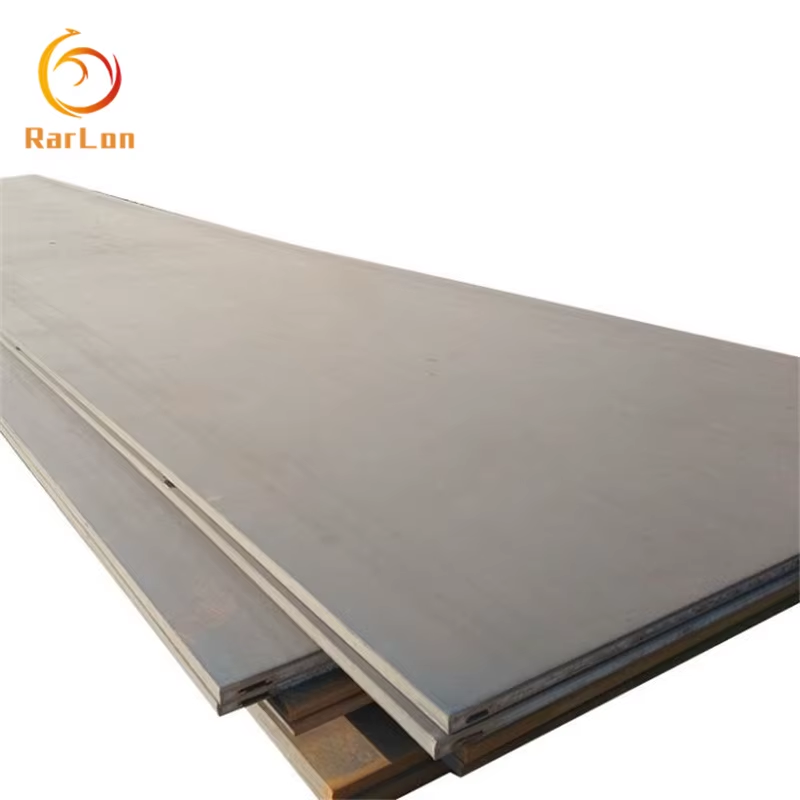
Practical Manufacturing Experience with Hot Rolled Low Carbon Steel
From years of working closely with fabrication shops, construction contractors, and equipment manufacturers, one material consistently stands out for its reliability and cost efficiency: hot rolled low carbon steel. In real production environments, this steel grade is often chosen when customers need a balance of strength, formability, and affordability without unnecessary alloying complexity.
At Rarlon Steel, many clients select hot rolled low carbon steel for structural frames, base plates, agricultural equipment, and general fabrication. These customers frequently report smoother welding, predictable bending behavior, and reduced machining time compared with higher-carbon or alloy steels. This practical feedback reinforces why hot rolled low carbon steel remains a foundational material across industries.
What Is Hot Rolled Low Carbon Steel?
Hot rolled low carbon steel is produced by rolling steel slabs at high temperatures, typically above 1,700°F (927°C), when the steel is above its recrystallization point. This process allows the steel to be easily shaped while maintaining a relatively uniform internal structure. The “low carbon” designation generally refers to carbon content below 0.25%, which significantly improves ductility and weldability.
Because hot rolled low carbon steel cools naturally after rolling, it develops a characteristic mill scale surface and slightly rounded edges. While dimensional tolerances are looser than cold rolled products, this trade-off results in lower cost and greater availability. For many industrial applications, these characteristics make hot rolled low carbon steel the most practical choice.
Mechanical Properties That Balance Strength and Flexibility
One of the primary reasons engineers prefer hot rolled low carbon steel is its balanced mechanical performance. The low carbon content provides excellent toughness and resistance to cracking, even under dynamic loads. At the same time, the hot rolling process ensures adequate yield and tensile strength for structural use.
Hot rolled low carbon steel is easy to cut, drill, and weld, making it ideal for fabrication environments where efficiency matters. According to materials engineering standards published by ASTM and AISI, low carbon steels exhibit superior formability compared to medium or high carbon grades. This makes hot rolled low carbon steel suitable for bending, punching, and shaping without compromising structural integrity.
Cost Efficiency and Production Advantages
From a cost perspective, hot rolled low carbon steel offers a clear advantage. The hot rolling process requires fewer finishing steps than cold rolling, which directly reduces production costs. This affordability allows manufacturers to scale production without sacrificing performance.
Rarlon Steel supplies hot rolled low carbon steel in a wide range of thicknesses and specifications, helping customers avoid unnecessary over-engineering. For projects where surface finish is not critical, choosing hot rolled low carbon steel can significantly lower material costs while maintaining compliance with industry standards. This practical cost-to-performance ratio is one of the strongest reasons buyers continue to rely on this material.
Wide Applications Across Multiple Industries
The versatility of hot rolled low carbon steel makes it suitable for many industries. In construction, it is commonly used for beams, columns, plates, and structural supports. In manufacturing, it appears in machinery frames, automotive components, storage tanks, and agricultural equipment.
Because hot rolled low carbon steel responds well to welding and forming, it is also widely used in custom fabrication and OEM production. Engineers often prefer it during early design stages due to its forgiving nature and predictable behavior. This wide application range demonstrates why hot rolled low carbon steel remains a global industry standard.
Quality Control and Standards Compliance
Trustworthiness in steel selection depends heavily on quality control and standards compliance. Reputable suppliers ensure that hot rolled low carbon steel meets ASTM, EN, or JIS specifications depending on customer requirements. These standards define chemical composition, mechanical properties, and testing methods to ensure consistency.
At Rarlon Steel, strict inspection processes are applied from raw material selection to final delivery. Dimensional checks, mechanical testing, and surface inspections help guarantee that each batch of hot rolled low carbon steel performs as expected. This transparency and adherence to recognized standards build long-term trust with customers across different markets.
Why Choose Rarlon Steel as Your Supplier
Selecting the right supplier is just as important as choosing the right material. Rarlon Steel combines technical expertise with practical industry experience, offering tailored solutions based on application needs. Whether customers require standard plates or customized specifications, the company provides reliable guidance and stable supply.
By focusing on consistent quality, clear documentation, and responsive service, Rarlon Steel ensures that hot rolled low carbon steel delivered to customers meets both performance and budget expectations. This combination of experience, expertise, and reliability explains why many buyers choose Rarlon Steel for long-term cooperation.
Table of Contents
- Practical Manufacturing Experience with Hot Rolled Low Carbon Steel
- What Is Hot Rolled Low Carbon Steel?
- Mechanical Properties That Balance Strength and Flexibility
- Cost Efficiency and Production Advantages
- Wide Applications Across Multiple Industries
- Quality Control and Standards Compliance
- Why Choose Rarlon Steel as Your Supplier