 EN
EN
 AR
AR
 HR
HR
 CS
CS
 DA
DA
 NL
NL
 FI
FI
 FR
FR
 DE
DE
 EL
EL
 IT
IT
 JA
JA
 KO
KO
 NO
NO
 PL
PL
 PT
PT
 RU
RU
 ES
ES
 TL
TL
 ID
ID
 SR
SR
 SK
SK
 UK
UK
 VI
VI
 SQ
SQ
 HU
HU
 MT
MT
 TH
TH
 TR
TR
 FA
FA
 MS
MS
 MK
MK
 HY
HY
 AZ
AZ
 KM
KM
 LA
LA
 MN
MN
 MY
MY
 KK
KK
 UZ
UZ

Understanding the Basics: Why Steel Needs a Shield
At Rarlon Steel, we have spent years supplying structural materials for everything from coastal infrastructure to urban skyscrapers. One question our clients frequently ask is why we recommend hot dip galvanized steel over simple painted alternatives. To understand this, we must look at the natural vulnerability of iron. When steel is exposed to oxygen and moisture, it undergoes oxidation, commonly known as rust. Unlike a protective patina, rust is expansive and flaky, eventually compromising the structural integrity of the metal.
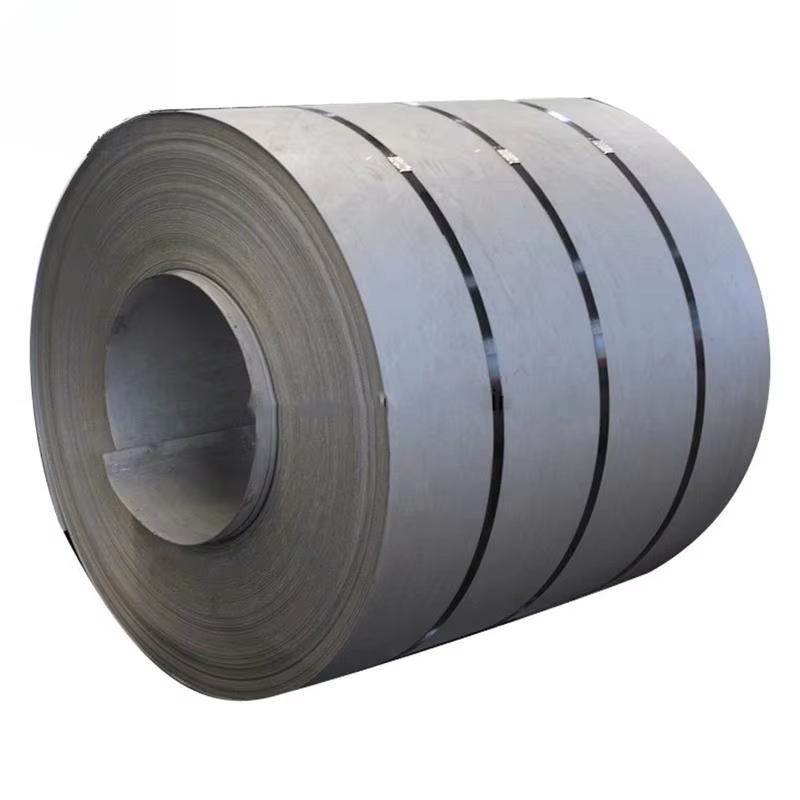
Hot-dip galvanizing isn't just a surface treatment; it is a metallurgical marriage. By immersing cleaned steel into a kettle of molten zinc at temperatures around 450°C, a series of zinc-iron alloy layers are formed. This creates a robust barrier that is far more durable than any organic coating. In our experience, projects using non-galvanized materials in humid environments often require maintenance within three years, whereas galvanized steel can last decades without a single touch-up.
The Power of the Barrier Protection Mechanism
The first line of defense provided by hot dip galvanized steel is simple physical isolation. The zinc coating acts as an impermeable "skin" that prevents corrosive elements like chloride ions and moisture from ever reaching the underlying iron. Unlike paint, which is porous on a microscopic level and prone to "under-film corrosion," the zinc layers are chemically bonded to the steel.
In our production facility, we ensure that the cleaning process (pickling) is flawless. If the steel isn't perfectly clean, the zinc won't bond. This transparency in our manufacturing process is why engineers trust our products. The barrier created is incredibly tough; the alloy layers formed during the process are actually harder than the base steel itself, providing exceptional resistance to abrasion and mechanical damage during transport and installation.
Sacrificial Anode: The "Self-Healing" Secret
Perhaps the most fascinating aspect of hot dip galvanized steel is its ability to protect itself even when the coating is scratched or cut. This is known as cathodic protection. In the presence of an electrolyte (like rainwater), zinc becomes a "sacrificial anode." Because zinc is more chemically active (more electronegative) than iron, it will corrode in preference to the steel.
We often see this in the field: if a technician accidentally scratches a galvanized beam during installation, the exposed steel does not rust. Instead, the surrounding zinc sacrifices its electrons to protect the gap. This "self-healing" property is why hot dip galvanized steel is the gold standard for outdoor utility poles and bridge components where minor surface damage is inevitable.
The Formation of the Zinc Patina
The protection offered by hot dip galvanized steel actually improves and stabilizes over time through a process called the "Zinc Patina." When the steel first leaves our kettle, it has a bright, metallic finish. However, as it is exposed to the atmosphere, it reacts with oxygen to form zinc oxide. When moisture is introduced, it becomes zinc hydroxide. Finally, reacting with carbon dioxide in the air, it forms a thin, tough, and insoluble layer of zinc carbonate.
This patina is extremely stable and adheres tightly to the surface. It slows down the corrosion rate of the zinc to about 1/30th that of steel in the same environment. From a professional standpoint, we always advise clients that the "weathered gray" look of older galvanized steel is actually a sign of a fully matured, highly protective shield that requires zero maintenance for 50 to 100 years in most environments.
Complete Coverage and Internal Protection
One of the distinct advantages we emphasize at Rarlon Steel is the "total immersion" factor. When we produce hot dip galvanized steel, the entire component is submerged in molten zinc. This means that the insides of hollow sections, sharp corners, and intricate threads are all coated equally.
In contrast, spray-on coatings or manual painting often miss "shadow areas" or the interior of tubes, leading to internal rot that is invisible until it's too late. Our expertise shows that for complex geometries—like the steel lattices used in telecommunications towers—hot-dip galvanizing is the only way to guarantee 100% protection. The liquid nature of the zinc ensures that every nook and cranny becomes part of the protective system.
Long-term Economic and Environmental Value
When analyzing the trustworthiness of a material, we must look at the Life Cycle Cost (LCC). While the initial cost of hot dip galvanized steel might be slightly higher than raw steel, it is almost always cheaper than high-performance paint systems when labor costs for application are considered. More importantly, because it requires no maintenance, the "cost per year" is incredibly low.
From a sustainability perspective, zinc is a natural element, and galvanized steel is 100% recyclable. In our commitment to transparency, we provide data showing that the energy used in the galvanizing process is a one-time investment that saves massive amounts of energy and resources that would otherwise be spent on repeated repairs and replacements over the decades. Choosing hot dip galvanized steel is not just an engineering decision; it’s a commitment to long-term reliability.