
 EN
EN
 AR
AR
 HR
HR
 CS
CS
 DA
DA
 NL
NL
 FI
FI
 FR
FR
 DE
DE
 EL
EL
 IT
IT
 JA
JA
 KO
KO
 NO
NO
 PL
PL
 PT
PT
 RU
RU
 ES
ES
 TL
TL
 ID
ID
 SR
SR
 SK
SK
 UK
UK
 VI
VI
 SQ
SQ
 HU
HU
 MT
MT
 TH
TH
 TR
TR
 FA
FA
 MS
MS
 MK
MK
 HY
HY
 AZ
AZ
 KM
KM
 LA
LA
 MN
MN
 MY
MY
 KK
KK
 UZ
UZ

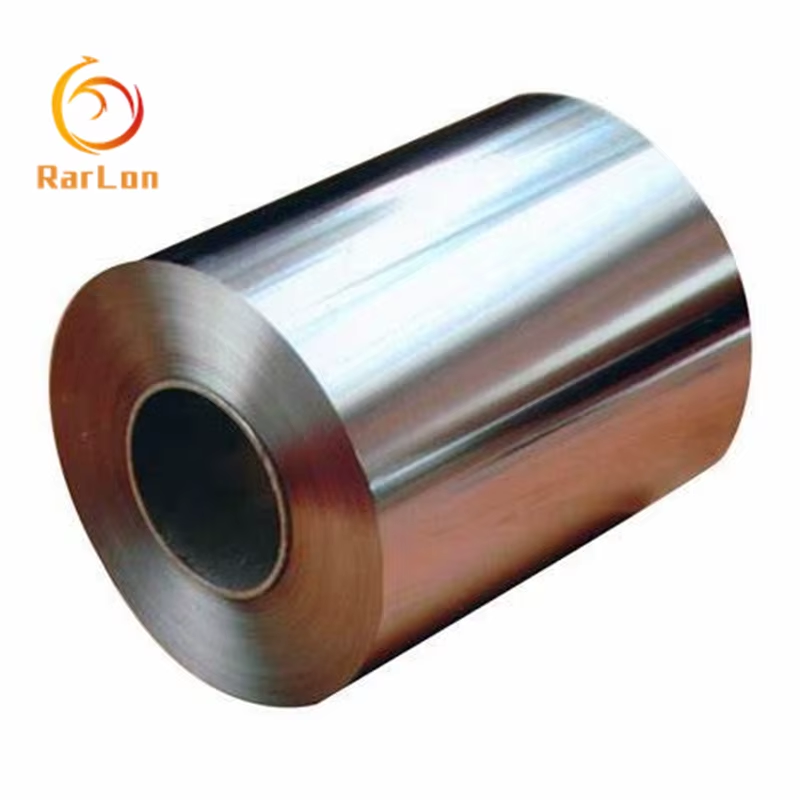
Understanding the Basics of Steel Coil Manufacturing
At Rarlon Steel, with over 15 years of experience in steel production and global trade since 2008, we understand that choosing the right steel coil is crucial for your project's success. HR and CR coils represent two fundamental categories in the steel industry, each serving distinct purposes across construction, automotive, and manufacturing sectors. Hot Rolled (HR) coils are produced at temperatures above 1,700°F (926°C), while Cold Rolled (CR) coils undergo additional processing at room temperature. This fundamental temperature difference creates distinct mechanical properties, surface finishes, and dimensional tolerances that engineers and procurement managers must consider when sourcing materials from suppliers like Rarlon Steel.
Production Process: From Hot to Cold
The manufacturing journey of hr cr coils begins similarly but diverges significantly at the rolling stage. Hot rolled coils are formed while the steel is still hot and malleable, allowing for easier shaping and larger dimension production. This process at Rarlon Steel's partner facilities involves passing heated steel slabs through rollers to achieve desired thicknesses, typically ranging from 1.2mm to 25mm. The steel then cools naturally, which can result in slight dimensional variations. In contrast, cold rolled coils take hot rolled parent material and process it further through cold reduction mills at ambient temperatures. This additional step, which Rarlon Steel specializes in supplying to precision-demanding industries, increases strength by up to 20% through strain hardening while achieving much tighter thickness tolerances, often within ±0.05mm.
Surface Quality and Aesthetic Considerations
Surface finish represents one of the most visible differences between these coil types. Hot rolled coils typically exhibit a characteristic scaly, rough surface known as mill scale, resulting from oxidation during the cooling process. While suitable for structural applications where appearance is secondary, this finish requires additional surface preparation if painting or coating is needed. At Rarlon Steel, we supply HR coils primarily for construction frameworks, shipbuilding, and heavy machinery where structural integrity outweighs cosmetic concerns. Conversely, cold rolled coils boast smooth, polished surfaces with superior flatness and straightness. Our CR coil inventory, exported globally from China, features clean, oil-coated surfaces ideal for exposed applications, automotive body panels, appliances, and precision furniture where aesthetic appeal is paramount.
Mechanical Properties and Performance Characteristics
The divergent processing methods yield distinctly different mechanical properties. Hot rolled coils offer excellent ductility and workability, making them ideal for applications requiring bending, welding, and forming without material failure. Rarlon Steel's technical team notes that HR coils maintain consistent mechanical properties throughout the material, with typical yield strengths ranging from 235MPa to 355MPa depending on grade. Cold rolled coils, however, exhibit higher tensile strength (often 400MPa+) and hardness due to work hardening during the cold reduction process. While this increases strength, it somewhat reduces ductility, requiring careful consideration during design phases. Our engineering consultants at Rarlon Steel regularly advise clients that CR coils are preferable for precision components requiring tight tolerances, while HR coils excel in load-bearing structural applications.
Dimensional Accuracy and Tolerances
Precision in dimensions varies significantly between hr cr coils, impacting manufacturing efficiency and cost. Hot rolled products typically feature wider tolerance ranges—thickness variations of ±0.3mm are common—acceptable for heavy construction but problematic for precision engineering. Rarlon Steel's quality control protocols ensure our HR coils meet international standards including ASTM A36, A1011, and EN 10025, suitable for infrastructure projects worldwide. Cold rolled coils achieve remarkable precision, with thickness tolerances often tighter than ±0.05mm and superior edge condition. This precision reduces material waste in downstream processing, justifying the higher initial cost for automotive, electronics, and appliance manufacturers who source through Rarlon Steel's comprehensive distribution network spanning Asia, Europe, and the Americas.
Cost Analysis and Economic Considerations
Economic factors play a decisive role in material selection. Hot rolled coils generally command lower prices due to simpler processing, higher production speeds, and lower energy requirements. Rarlon Steel leverages our established supply chains since 2008 to offer competitive HR coil pricing for bulk construction projects, typically 15-30% less expensive than equivalent cold rolled alternatives. Cold rolled coils incur additional processing costs—cold reduction, annealing, and surface treatment—but deliver value through reduced downstream processing, improved yield rates in precision manufacturing, and elimination of surface preparation costs. Our procurement specialists recommend that clients evaluate total cost of ownership rather than initial purchase price, considering factors like machining time, surface treatment requirements, and scrap rates when choosing between hr cr coils for their specific applications.
Application-Specific Recommendations from Industry Experience
Drawing from Rarlon Steel's extensive project portfolio, we recommend hot rolled coils for structural steel fabrication, construction beams, railroad tracks, agricultural equipment, and shipbuilding where strength and weldability matter more than surface finish. Our CR coils serve precision-demanding sectors including automotive manufacturing, household appliances, metal furniture, electrical enclosures, and food processing equipment. The automotive industry particularly values cold rolled steel for body panels due to its excellent surface quality and consistent thickness, enabling seamless painting and coating adhesion. Rarlon Steel's technical sales team provides material selection consultations, ensuring clients receive optimal hr cr coils specifications matched to their end-use requirements, processing capabilities, and budget constraints.
Quality Standards and Certification Compliance
Both coil types must meet stringent international standards, though specifications differ. Rarlon Steel ensures all products comply with relevant certifications: HR coils typically adhere to ASTM A36, A1011, JIS G3101, or EN 10025 standards, while CR coils follow ASTM A1008, JIS G3141, or EN 10130 specifications. Our quality management system, refined over 15 years of international trade, includes mill test certificates, third-party inspection options, and full traceability documentation. We maintain relationships with accredited laboratories to verify mechanical properties, chemical composition, and dimensional accuracy, ensuring that whether clients choose hot rolled or cold rolled products, they receive materials that meet or exceed industry standards for safety, performance, and reliability.
Table of Contents
- Understanding the Basics of Steel Coil Manufacturing
- Production Process: From Hot to Cold
- Surface Quality and Aesthetic Considerations
- Mechanical Properties and Performance Characteristics
- Dimensional Accuracy and Tolerances
- Cost Analysis and Economic Considerations
- Application-Specific Recommendations from Industry Experience
- Quality Standards and Certification Compliance