
 EN
EN
 AR
AR
 HR
HR
 CS
CS
 DA
DA
 NL
NL
 FI
FI
 FR
FR
 DE
DE
 EL
EL
 IT
IT
 JA
JA
 KO
KO
 NO
NO
 PL
PL
 PT
PT
 RU
RU
 ES
ES
 TL
TL
 ID
ID
 SR
SR
 SK
SK
 UK
UK
 VI
VI
 SQ
SQ
 HU
HU
 MT
MT
 TH
TH
 TR
TR
 FA
FA
 MS
MS
 MK
MK
 HY
HY
 AZ
AZ
 KM
KM
 LA
LA
 MN
MN
 MY
MY
 KK
KK
 UZ
UZ

Recently, the most discussed topic in the steel sector has been whether the industry is entering a full-scale recovery. Some worry about steel price fluctuations, some struggle with capacity layout, and others are seeking new opportunities amid the transformation wave. In reality, the 2026 steel industry is not a V‑shaped full rebound, but a weak recovery featuring both supply and demand decline, structural optimization, and mild profit repair. Understanding this logic is far more valuable than blindly betting on a “strong recovery.”
Let’s first clarify the industry’s current “cold and hot” dynamics:
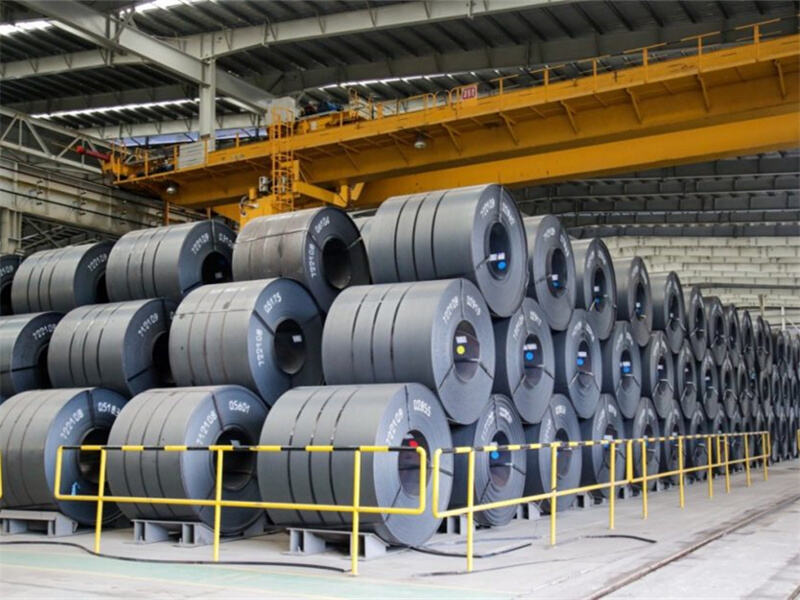
By the end of February 2026, China’s comprehensive steel price stood at 3,473 yuan per ton, down both month‑on‑month and year‑on‑year, with rebar prices fluctuating at low levels. After the Spring Festival, social inventories accumulated rapidly, with key inventories in 29 cities reaching 11.243 million tons, bringing considerable short‑term destocking pressure. Among 247 sample steel enterprises, the profit‑making ratio was less than 40%, with most firms struggling near breakeven or losses.

At the same time, industry expectations are improving. The steel circulation PMI rebounded from a low level, and three major drivers — policy support, supply contraction, and demand structure optimization — are gradually emerging, forming the core foundation for weak recovery.
The core logic of this weak recovery lies in the industry transformation of “reducing volume while improving quality”.

On the demand side, structural divergence is the most prominent feature:
Total demand is expected to fall by 1% year‑on‑year to around 800 million tons, but the focus of demand is rapidly shifting from traditional construction to high‑end manufacturing. The share of steel used in manufacturing will exceed 50%, becoming the main pillar of demand.
However, the recovery still faces three major constraints that prevent the industry from “surging”:
- Real estate remains the biggest drag. Steel demand for real estate in 2026 is expected to reach 180 million tons, down 7.7% year‑on‑year. Even urban village renovation and old community renovation can partially support traditional building materials demand, but cannot reverse the downward trend.
- Cost uncertainty persists. Iron ore inventories hit a record high, but coke and scrap steel prices fluctuate sharply. Small and medium‑sized steel enterprises have weak bargaining power, squeezing profit margins.
- Export pressure is mounting. With the EU CBAM carbon border adjustment mechanism in effect and frequent global trade frictions, China’s direct steel exports in 2026 are expected to drop to 100 million tons, with low value‑added products facing stricter export restrictions.
For industry practitioners, the core survival logic in 2026 is to “follow the trend”:
Abandon the mindset of scale expansion and shift toward quality and efficiency.
Leading enterprises can rely on technological and capital advantages to accelerate mergers and acquisitions, focus on high‑end special steel and green steel products, and enjoy dividends from structural upgrading.
Small and medium‑sized steel mills must abandon the old path of “competing on output and price,” deepen niche segments, develop special steel and intensive processing, and integrate into the industrial ecosystem of leading enterprises.
After all, the golden age of the steel industry is no longer about “producing more steel for quick profits,” but about “producing high‑quality steel and refined products.”
Finally, we’d like to ask:
Has demand in your steel segment changed significantly this year?
Facing industry divergence, will you stick to traditional sectors or expand into emerging fields?
Welcome to share your views in the comment section~