
 EN
EN
 AR
AR
 HR
HR
 CS
CS
 DA
DA
 NL
NL
 FI
FI
 FR
FR
 DE
DE
 EL
EL
 IT
IT
 JA
JA
 KO
KO
 NO
NO
 PL
PL
 PT
PT
 RU
RU
 ES
ES
 TL
TL
 ID
ID
 SR
SR
 SK
SK
 UK
UK
 VI
VI
 SQ
SQ
 HU
HU
 MT
MT
 TH
TH
 TR
TR
 FA
FA
 MS
MS
 MK
MK
 HY
HY
 AZ
AZ
 KM
KM
 LA
LA
 MN
MN
 MY
MY
 KK
KK
 UZ
UZ

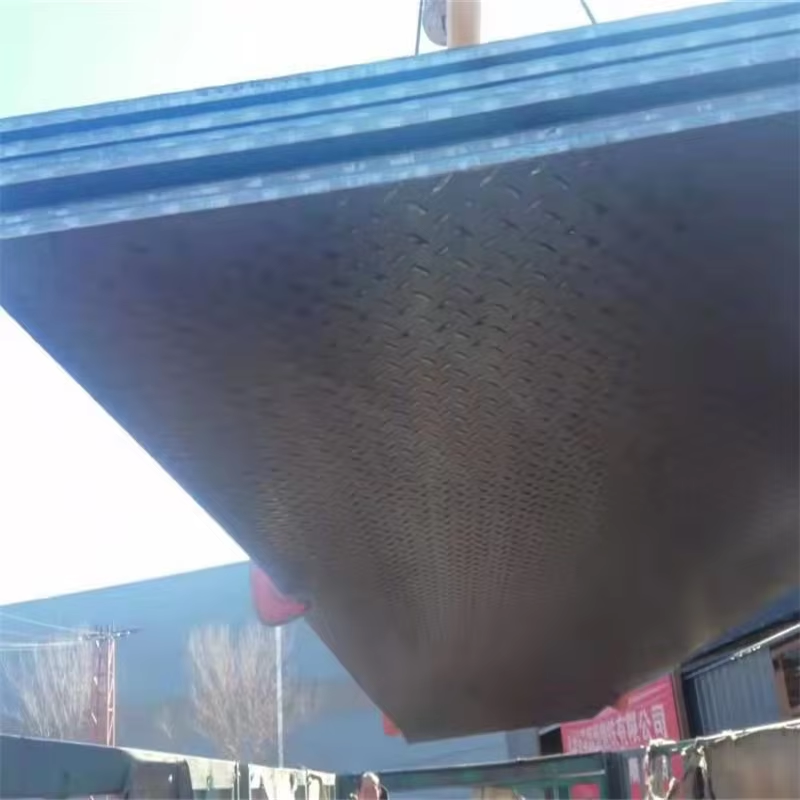
Understanding Hot Rolled Stainless Steel Coil and Its Industrial Role
Hot rolled stainless steel coil is the starting form for many of the stainless steel products used across processing industries, energy infrastructure, and heavy equipment manufacturing. Unlike cold rolled stainless steel, which undergoes additional rolling at ambient temperature to achieve tighter thickness tolerances and smoother surface finishes, hot rolled coil retains the characteristics imparted by high-temperature processing above the recrystallization point—typically between 1,100 and 1,250 degrees Celsius depending on the grade. The resulting material has a characteristic No. 1 surface finish, which appears matte and slightly rough compared to the bright 2B or BA finishes familiar in consumer-facing stainless products. This surface condition, combined with thicknesses ranging from 3.0 mm to 14.0 mm and widths up to 2,000 mm, makes hot rolled stainless steel coil the preferred input material for applications where mechanical strength, corrosion resistance at elevated temperatures, and material thickness outweigh the need for cosmetic surface quality. Industrial procurement teams specifying hot rolled stainless steel coil should understand the grade selection logic, as choosing between austenitic grades like 304 and 316L, ferritic grades like 430, and specialized grades like 310S or 321 determines performance across vastly different operating environments.
Chemical Processing and Petrochemical Equipment Applications
The chemical processing industry is among the largest consumers of hot rolled stainless steel coil, particularly in the fabrication of storage tanks, reactor vessels, heat exchangers, and piping systems. Grade 304 stainless steel, with its 18% chromium and 8% nickel composition, provides good general corrosion resistance for handling organic chemicals, food-grade processing fluids, and mildly acidic environments at moderate temperatures. For chloride-containing environments—common in coastal chemical plants, desalination facilities, and offshore processing platforms—grade 316L is specified due to its 2-3% molybdenum addition, which significantly improves resistance to pitting and crevice corrosion. The low-carbon variant (L-grade, maximum 0.03% carbon) is essential when the fabricated equipment will be welded, as the reduced carbon content minimizes chromium carbide precipitation at grain boundaries during welding, thereby preserving intergranular corrosion resistance without requiring post-weld solution annealing for most thicknesses. Hot rolled stainless steel coil in 316L grade, typically ordered in thicknesses of 4 mm to 12 mm, is rolled into cylindrical shells for pressure vessels operating at design pressures up to several megapascals and temperatures ranging from cryogenic to approximately 400 degrees Celsius in continuous service.
Heat Exchanger and Thermal Equipment Manufacturing
Heat exchangers represent a demanding application for hot rolled stainless steel coil because the material must maintain mechanical strength and corrosion resistance under simultaneous thermal cycling and fluid exposure. Tube sheets, shell bodies, and baffle plates in shell-and-tube heat exchangers are commonly fabricated from hot rolled stainless steel coil in thicknesses of 6 mm to 14 mm. For high-temperature heat exchanger service above 500 degrees Celsius—such as in fired heaters, waste heat recovery units, and steam superheaters—grade 310S (25% chromium, 20% nickel) offers superior oxidation resistance and retains higher elevated-temperature strength compared to standard 304 or 316 grades. Grade 321, stabilized with titanium, is specified when the operating temperature falls within the sensitization range of 425 to 870 degrees Celsius for extended periods, as the titanium preferentially combines with carbon to prevent chromium carbide formation. In thermal equipment fabrication, hot rolled stainless steel coil provides the necessary thickness for pressure-containing boundaries while allowing the manufacturer to form heads, roll shells, and drill tube sheets from material sourced in coil form, which is generally more economical and logistically simpler than procuring cut-to-length plates for repetitive component production.
Food Processing, Pharmaceutical, and Hygienic Equipment
Food and pharmaceutical manufacturing environments demand materials that can withstand frequent cleaning with aggressive sanitizing agents while maintaining surfaces free from contamination traps. Hot rolled stainless steel coil in 304 grade forms the structural shell and supporting framework of large mixing tanks, fermentation vessels, and storage silos in breweries, dairy processing plants, and pharmaceutical API production facilities. In these applications, the stainless steel may receive a subsequent surface treatment—such as pickling and passivation, mechanical polishing, or electropolishing—to achieve the required surface roughness (typically Ra ≤ 0.8 μm or finer for product contact surfaces). The coil form is particularly advantageous for fabricators who produce standardized tank diameters and shell courses, as material can be ordered to specific widths that minimize welding seams and scrap generation. For high-temperature cleaning-in-place (CIP) systems using caustic solutions at 70 to 85 degrees Celsius, the material must resist stress corrosion cracking; 304 may be adequate for many applications, but where chloride concentrations in cleaning agents or process fluids are significant, 316L provides an additional safety margin.
Automotive and Transportation Exhaust Systems
Automotive exhaust system manufacturing has become a significant application area for ferritic hot rolled stainless steel coil, particularly grades 409, 436, and 439. These grades offer a favorable balance of high-temperature oxidation resistance, thermal fatigue resistance, and cost-effectiveness compared to austenitic grades, which carry a nickel surcharge that makes them less competitive for high-volume automotive production. Hot rolled coil in ferritic stainless grades is processed into exhaust manifolds, catalytic converter shells, muffler bodies, and tailpipes through a sequence of slitting, forming, welding, and sometimes secondary cold rolling to thinner gauges. The hot rolled starting thickness—typically 3.0 mm to 6.0 mm for manifold and flange applications—provides the material volume needed for deep drawing and hot forming processes. With increasingly stringent vehicle emission standards globally, durability requirements for exhaust components have risen, driving specification toward higher-chromium ferritic grades (18-20% Cr) that resist condensate corrosion from exhaust gas acids formed during cold starts. The coil supply format enables automotive tier suppliers to maintain continuous stamping and tube mill production lines with minimal coil changeover downtime.
An Industrial Application Case: Stainless Steel Storage Tanks
Consider a food-grade edible oil storage terminal requiring twelve vertical cylindrical tanks, each with a capacity of 500 cubic meters. The tank shells are fabricated from hot rolled stainless steel coil in 304 grade, 6 mm thickness for the lower shell courses and 4 mm for the upper courses, with shell plates rolled from coil into cylinders and joined by longitudinal and circumferential butt welds. The engineering specification requires all weld seams to undergo dye penetrant inspection, with tank bottoms slope-tested for 24 hours and shell hydrostatically tested to the design liquid level. During supplier selection, the tank fabricator evaluates hot rolled stainless steel coil suppliers based on coil width consistency—wider coils mean fewer vertical weld seams per shell course—mill test certificate traceability for each coil's heat number, and the supplier's ability to provide material from a single heat for critical courses to ensure uniform corrosion resistance. A diversified steel supplier such as Tianjin Hengrunlong Import and Export Co., Ltd., with stainless steel among its product portfolio alongside carbon steel coils, H-beams, pipes, and aluminum, can support fabricators who source multiple material types for a single project, reducing the procurement overhead of managing separate supplier relationships for each material category.
Architectural and Structural Stainless Steel Applications
Beyond purely industrial uses, hot rolled stainless steel coil increasingly serves architectural and structural applications where corrosion resistance, fire performance, and low lifecycle maintenance costs justify the higher initial material investment. Structural stainless steel sections—angles, channels, and fabricated beams—are often produced by slitting hot rolled coil into strip widths suitable for cold roll forming or press braking into open sections. Building facade systems in coastal or polluted urban environments use hot rolled stainless steel coil to produce support brackets, anchoring systems, and cladding substructures that must maintain load-bearing integrity over decades without protective coating maintenance. Grade 316L is typically specified for exterior architectural applications within 5 kilometers of marine coastlines due to airborne chloride exposure. For interior structural elements in swimming pool halls, chemical laboratories, or wastewater treatment buildings, 304 or 316L hot rolled stainless steel coil provides the combination of strength and corrosion resistance needed for load-bearing members in humid, chemically aggressive atmospheres where carbon steel would require expensive protective coating systems and periodic recoating.
Questions About Hot Rolled Stainless Steel Coil Applications
Q: What is the difference between hot rolled and cold rolled stainless steel coil, and when should I choose hot rolled?
A: Hot rolled stainless steel coil is processed at temperatures above the recrystallization point, resulting in a No. 1 finish with a matte, slightly rough surface. Cold rolled coil undergoes additional rolling at room temperature, achieving tighter thickness tolerances, improved surface smoothness (2B, BA finishes), and enhanced mechanical properties through work hardening. Choose hot rolled coil when thickness exceeds approximately 3.0 mm, when surface appearance is not the primary concern, or when the material will be welded and subsequently pickled or mechanically finished. Hot rolled coil is also more economical per kilogram for equivalent grades. Cold rolled coil is preferred for applications requiring precise thickness control, bright surface finishes, or thinner gauges below 3.0 mm.
Q: Can hot rolled stainless steel coil be used in outdoor environments without additional coating?
A: Yes, stainless steel is inherently corrosion-resistant due to its chromium content, which forms a self-healing passive chromium oxide layer on the surface. However, grade selection is critical for outdoor use. In rural and urban environments with low pollution, grade 304 hot rolled stainless steel coil performs well without coating. In coastal or de-icing salt-exposed environments, grade 316L is recommended. In severe marine or chemical plant atmospheres, duplex grades such as 2205 may be required. The No. 1 hot rolled surface finish, while functional, may develop surface staining over time in aggressive atmospheres; if aesthetic consistency is important, specifying pickled and passivated surface treatment after fabrication addresses this concern.
Q: How do I determine the correct stainless steel grade for a specific chemical environment?
A: Grade selection for chemical service should be based on the specific chemicals present, their concentrations, operating temperature, and whether the environment is continuously wetted or subject to alternating wet-dry cycles. Reference corrosion data tables such as those published by the National Association of Corrosion Engineers (NACE) or Outokumpu's Corrosion Handbook, which provide isocorrosion curves for common grades against specific media. For novel or aggressive chemical combinations, conduct laboratory corrosion coupon testing under simulated service conditions. Always communicate the full chemical environment specification to your hot rolled stainless steel coil supplier to verify that the recommended grade has a documented service history in similar conditions.
Table of Contents
- Understanding Hot Rolled Stainless Steel Coil and Its Industrial Role
- Chemical Processing and Petrochemical Equipment Applications
- Heat Exchanger and Thermal Equipment Manufacturing
- Food Processing, Pharmaceutical, and Hygienic Equipment
- Automotive and Transportation Exhaust Systems
- An Industrial Application Case: Stainless Steel Storage Tanks
- Architectural and Structural Stainless Steel Applications
- Questions About Hot Rolled Stainless Steel Coil Applications